 Written by Jay Campbell




[Disclaimer: This article is for educational purposes only. Always consult with a qualified healthcare provider before starting any peptide protocol.]
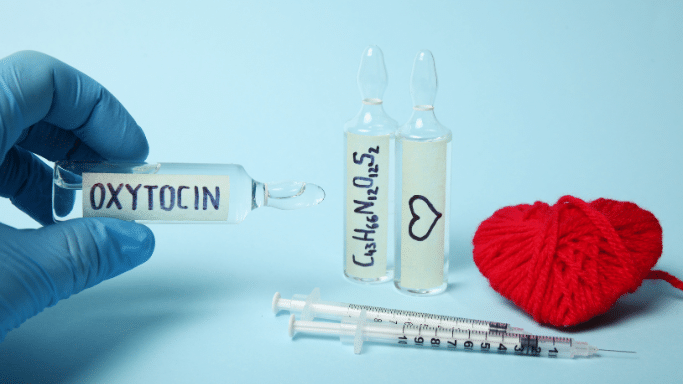
The biohacking world has perceived oxytocin as some kind of “love potion” you can spray up your nose to suddenly become a more connected and emotionally available human being.
This description may sell well, but it’s an oversimplification of a VERY powerful molecule.
I’ve been watching the conversation around this peptide evolve for years, and I’ve personally used injectable oxytocin with my wife Monica to achieve some decent results.
But if you’re serious about using oxytocin intelligently, it is critical to understand what the research actually shows, and how to get the most out of it.
This article will give you the practical truth about how to use this peptide the right way: The oxytocin peptide dosage charts for both delivery methods, the pros and cons of each delivery method, and much more!
Quick Takeaways
- 24 IU’s administered intranasally is the most commonly studied human dose, but there is no standardized dosing chart approved for non-obstetric use
- Injectable oxytocin does NOT reliably reach your brain, making intranasal use the preferred route for behavioral and cognitive goals
- Individual responses will vary due to a wide range of factors such as genetics, sex, and baseline social functioning
- Receptor desensitization from chronic use is a real concern that almost nobody in the peptide community talks about… fortunately, cycling can alleviate this problem
What Is Oxytocin and How Does It Work?
Most people think of oxytocin as the “bonding hormone” and don’t think any further beyond that.
While technically true, this short description barely scratches the surface of what this neuropeptide actually does.
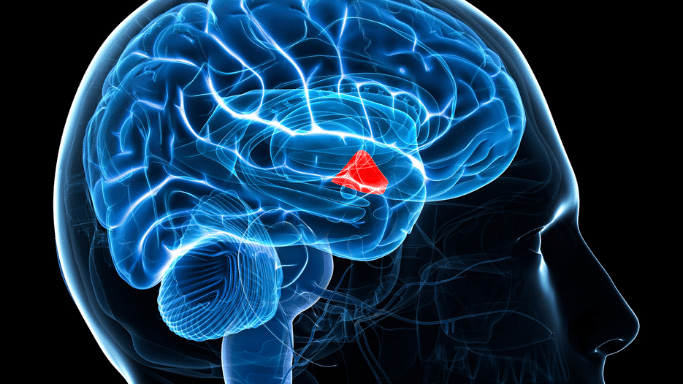
Oxytocin exerts its effects primarily via the oxytocin receptor (OXTR), a G-protein-coupled receptor that activates phospholipase C and drives up intracellular calcium to trigger a cascade of downstream signaling events.
The OXTR is expressed broadly across the brain, including the amygdala, hypothalamus, nucleus accumbens, and peripheral tissues such as the uterus and mammary glands.
This broad expression of receptors is exactly why oxytocin influences everything; from social behavior and emotional regulation to uterine contractions and milk ejection.
And hopefully this fact makes you better understand why getting the delivery method and dosing right is so critical for anyone serious about optimization.
Oxytocin Nasal Spray vs. Injection
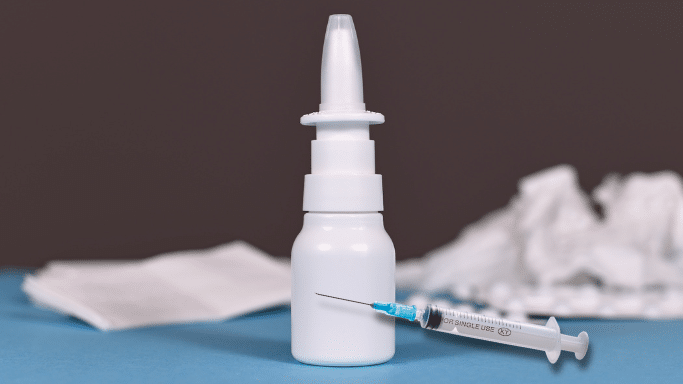
How you deliver oxytocin is nearly 100% of the picture when it comes to determining what effects you will experience with the peptide.
Intranasal oxytocin is thought to reach the brain via olfactory and trigeminal nerve pathways, bypassing the blood-brain barrier and gaining partial access to the CNS.
The exact proportion reaching the brain versus systemic circulation remains an active area of pharmacokinetic research… nevertheless, the pathway is well established.
Injectable oxytocin, whether subcutaneous or intravenous, does not reliably cross the blood-brain barrier.
This means a peripheral injection will primarily produce peripheral hormonal effects, rather than the central behavioral effects most people are chasing.
If your goal is emotional regulation, social cognition, and/or amygdala modulation: The intranasal delivery route has the strongest mechanistic rationale supporting its use
Now, this does not mean the injectable route is entirely useless.
I’ve personally experienced sone real effects when experimenting with subcutaneously administered oxytocin.
However, you MUST understand the difference between each delivery method in terms of what’s happening inside your body.
If you are injecting oxytocin with the expectation of powerful “bonding effects” while failing to understand that peripheral injection primarily contracts smooth muscle with minimal CNS penetration, you are burning up your hard-earned money.

Oxytocin Peptide Dosage Chart: Intranasal Administration
There is no FDA-approved dosing protocol for intranasal oxytocin in non-obstetric indications.
Long-time followers of the Jay Campbell ecosystem KNOW this is par for the course with most of the compounds we discuss.
This is NOT the same thing as flying blind, especially since we have a substantial body of human research that gives us a solid working framework for making some educated guesses.
Intranasal Oxytocin Research Dosing Summary:
| Dose Range | Context | Evidence Level |
| 18 IU | Cognitive/social studies | Moderate |
| 24 IU | Most commonly studied human dose | High |
| 40 IU | Anxiety/PTSD-focused trials | Moderate |
| >40 IU | Not well-studied; increased side effect risk | Low |
24 IU is the research gold standard for single-dose intranasal administration in humans.
Most trials will administer oxytocin 30 to 45 minutes before the target behavioral event or social interaction.
Dosing frequency and long-term protocols have NOT been systematically validated in humans yet which is why cycling on-and-off matters.
I should also point out the device you use for intranasal delivery is a big deal: Absorption efficiency varies significantly across intranasal spray systems, which is one of the main reasons why study results are inconsistent.
My advice here is the same as with ANY peptide: Start at the lowest effective dose, assess all effects, and titrate up slowly.
Oxytocin Peptide Dosage Chart: Injectable Administration
Injectable oxytocin has a well-established clinical use, specifically for obstetric purposes, and those dosing protocols are tightly controlled for many good reasons.
Injectable Oxytocin Clinical Reference (Obstetric Use):
| Route | Starting Dose | Titration | Clinical Purpose |
| Intravenous infusion | 1 to 2 mU/min | Incremental increase | Labor induction/augmentation |
| High-dose IV | Variable | Physician-controlled | Uterine atony management |
WARNING: HIGH-DOSE INTRAVENOUS OXYTOCIN CAN CAUSE UTERINE HYPERSTIMULATION, FETAL DISTRESS, AND IN EXTREME CASES, UTERINE RUPTURE.
This is a compound with serious physiological consequences at elevated doses.
For the biohacking population seeking behavioral or psychological effects, there is no validated injectable dosing protocol outside of the obstetric setting just described.
With this being said, the injectable oxytocin protocol I recommend for general use is 50 mcg from a 10 mg vial reconstituted with 3 mL of BAC water, taken as required in the morning.
It’s a conservative dose myself and many members of the Fully Optimized Health community have used with positive subjective experiences.
But like I say in nearly every article I write, always work with a knowledgeable clinician when exploring any injectable peptide.

Oxytocin Effects: What the Research Actually Shows
Let me give you a ground-level breakdown of what oxytocin can do, because the potential here becomes more exciting as you gain a deeper understanding of its mechanisms…
What has legitimate and growing research support:
- Acute reduction in amygdala reactivity to threatening stimuli, which has direct implications for stress management and anxiety
- Modulation of pair bonding and social attachment via dopamine pathway interactions in the nucleus accumbens
- Improvements in trust and emotion recognition within controlled lab settings
- Reduction of cortisol levels and HPA axis modulation, directly counteracting chronic stress
- Lower postpartum depression risk in mothers who are given oxytocin
- Anxiolytic effects when combined with social support, showing reduced cortisol and increased calmness during stressful periods
Where the research is still developing:
- Clinical benefits have been noted for autism spectrum disorder across large randomized trials, but still needs more data to make definitive treatment recommendations
- Reliable treatment effects for anxiety, depression, or PTSD require larger and more consistent trials
Here’s what I found to be the most fascinating fact about oxytocin as I was doing my research…
The effects are NOT universally prosocial., and some studies show oxytocin can increase in-group favoritism.
Therefore, oxytocin does not produce a one-size-fits-all “nice and loving” response.
And by extension, this peptide is responsive to context, environment, and the individual using it.
But in my mind, this makes it MORE interesting from an optimization standpoint.
It’s starting to seem like Oxytocin is the type of compound designed to reward people who use it intelligently and in accordance with their individual biochemistry.

Why Oxytocin Dosing Is Not One-Size-Fits-All
Your oxytocin response is shaped by numerous factors, including…
- Sex: Women and men respond differently (and hence should explore different protocols), likely due to estrogen interactions and differences in OXTR distribution
- OXTR genetics: Genetic variation in the oxytocin receptor gene meaningfully alters behavioral response, further proving oxytocin is not a “one protocol fits all” peptide
- Baseline social functioning: People with lower baseline social engagement tend to show larger effects, meaning highly sociable people using oxytocin may experience more subtle effects
- Environmental context: The social and emotional environment at time of administration shapes which direction the effects go
Plasma oxytocin levels also do not reliably reflect central oxytocin activity, which means standard bloodwork cannot tell you whether your intranasal dose is actually reaching your brain or doing anything meaningful up there.
This is why subjective assessment and careful personal experimentation are crucial when using oxytocin.

Oxytocin Side Effects, Risks, and Safe Use
Reported short-term side effects of intranasal oxytocin are generally mild: nasal irritation, occasional headache, and transient cardiovascular effects like brief blood pressure fluctuations.
But there is one unfavorable outcome I’d like you to pay close attention to:
Repeated intranasal dosing may lead to OXTR desensitization’ in other words, chronic use could blunt your receptor sensitivity and potentially alter your endogenous oxytocin signaling over time.
And the long-term safety data in healthy human populations is still limited, which is why responsible use means cycling on-and-off rather than once-a-day dosing for an indefinite period of time.
Additionally, oxytocin cross-reacts with vasopressin receptors.
Translation: Behavioral and physiological effects you experience may not be purely “oxytocin effects” at all.
Finally, DO NOT use injectable oxytocin outside of medically supervised protocols without proper guidance from a clinician who understands peptide pharmacology.
How to Use Oxytocin Intelligently
Oxytocin is a genuinely fascinating neuropeptide with real mechanistic potential for modulating social connection, emotional reactivity, and bonding circuitry.
Used intelligently, in combination with understanding the compelling research behind it, it can meaningfully enhance the quality of your life.
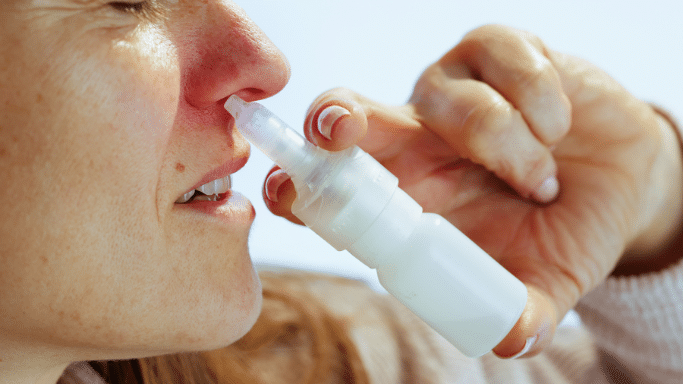
For anyone who wants to use oxytocin intranasally:
- Work with a knowledgeable clinician who understands peptide pharmacology.
- Start at the lower end of the research range, around 18 to 24 IU intranasal.
- Use a quality, validated intranasal delivery device because absorption variability is a documented problem.
- Cycle your usage of oxytocin, watching for blunted responsiveness over time (DO NOT dose oxytocin daily for as long as possible).
- Avoid relying on plasma oxytocin labs to gauge your CNS response, as they won’t tell you what you want to know.
One final thing to leave you with…
Your body’s endogenous oxytocin system is built, refined, and optimized through genuine human connection and physical touch.
No spray in the world can replace the purposeful development of close relationships.
Use exogenous oxytocin as a tool to complement an already high-functioning social life, and not as a substitute for one.
If you’re ready to get your hands on a quality oxytocin product, BioLongevity Labs carries it at ultra-high purity levels.
Use code JAYC to get 15% off!
Should you wish to go deeper into therapeutic peptides and how to intelligently build an evidence-grounded optimization stack, get the Peptide Cheat Sheet free of charge.
Isn’t It Time You Became Fully Optimized To Live Leaner, Longer And Stronger?
Join my #1 online membership group, Fully Optimized Health to receive guidance from me and an elite group of more than 700 male and female biohackers (who all started out just like you)
And don’t forget to check out our other premium educational content dedicated to helping you fully optimize your health:
Quantum Peptides – the A-to-Z system for anyone (newbies & pros alike) desiring to master peptide use for the first time and forever.
Quantum Testosterone – the A-to-Z system for Men & Women to learn to optimize their hormones for explosive energy, lean muscle, and timeless vitality.
The Ultimate GLP-1 Video Masterclass – how to PROPERLY utilize the world’s most powerful weight loss drugs for enhanced fat loss and overall longevity.
The Modern Woman’s Peptide Course – a must-have resource for any woman seeking to become more feminine, sexier, leaner, and healthier through the use of peptides.
Life Enhanced – Unlock the secrets to TOTAL Mind-Body-Spirit Optimization as Hunter Williams and I teach you how to live at the tip of the spear.
30 Days 2 Shredz – Reprogram Your Mind and Body for Maximum Fat Loss in Minimum Time with our Optimized Fasting Protocol
Monica Campbell’s 3 Day PMF Video Training Program – Ignite unbreakable strength, sculpt lean muscle, and conquer workouts fearlessly with my wife Monica’s 3 Day Video training course.
Positive Muscle Failure Video Training Program – Learn how to lift weights correctly for maximum muscle in minimum time while building the physique of your dreams.
See you on the inside!