 Written by Jay Campbell




[Disclaimer: This article is for educational purposes only. Always consult with a qualified healthcare provider before starting any peptide protocol.]
If you’re dealing with chronic joint pain, nerve pain, back pain, or any other kind of pain, you’ve likely been handed the same failed playbook:
NSAIDs that destroy your gut, opioids that create unbreakable dependency, or dismissive comments to lose weight by eating less and exercising.
I’ve spent over three decades in the trenches of optimization medicine, and I can tell you this:
The most promising solutions for pain relief aren’t being offered by your conventional doctor.
And they certainly aren’t the watered-down supplements you see marketed on Instagram.
What I AM talking about is peptides: Specific therapeutic peptides with distinct mechanisms of action that target pain at the receptor level, reduce inflammation, and promote actual tissue healing.
They can achieve all of the above without the tolerance, dependence, and organ damage of conventional pharmaceuticals.
The core peptides for pain relief and inflammation you must know about are BPC-157, TB-500, KPV, ARA-290, and cardiovascular peptides.
There’s also VIP (vasoactive intestinal peptide) and LL-37 for specific inflammatory and immune-driven pain conditions.
This article breaks down each of these peptides, explains exactly how they tie into reducing pain and inflammation within the context of pain reduction, and gives you the honest truth about what’s proven versus what’s still investigational.
Quick Takeaways
- The core pain/healing peptide stack is BPC-157, TB-500, KPV, ARA-290, and select peptides supporting cardiovascular health
- BPC-157 and TB-500 are the “foundational” healing peptides — they promote tissue repair, angiogenesis, and reduce inflammation through distinct but complementary mechanisms
- KPV is a powerful anti-inflammatory tripeptide that modulates NF-κB signaling, directly reducing the inflammatory cascade that drives joint pain
- ARA-290 activates the innate repair receptor, reducing neuropathic pain while simultaneously promoting tissue healing
- VIP and LL-37 target immune-mediated and inflammatory pain pathways ignored by conventional medicine
- Collagen peptides have the strongest human evidence for joint pain, but you MUST understand the difference between type I and type II collagen because they serve completely different functions
The Conventional Pain Management Trap
Here’s what mainstream medicine won’t tell you:
The system is designed to manage pain, rather than resolve it:
- NSAIDs like ibuprofen and naproxen provide temporary relief while causing gastrointestinal bleeding and increasing risk of cardiovascular disease.
- Opioids create tolerance, dependence, and a cascade of hormonal dysfunction that actually worsen your quality of life.
- Corticosteroid injections provide short-term relief but accelerate cartilage breakdown with repeated use.
None of these approaches promote actual healing.
They suppress symptoms while the underlying tissue damage, inflammation, and nerve sensitization continue to worsen.
Peptides fundamentally change the paradigm by modulate multiple pathways involved in both pain perception AND tissue repair, instead of merely blocking pain signals.

The Core Pain Relief Peptides: BPC-157 and TB-500
These are the foundational healing peptides for anyone dealing with joint pain, soft tissue injuries, or chronic inflammatory conditions.
BPC-157: The Tissue Repair Specialist
BPC-157 (Body Protection Compound 157) is arguably the most talked-about peptide in the pain and injury space right now.
And for good reason: The preliminary human data is compelling.
In one human trial, 87.5% of patients with knee pain experienced relief after intra-articular administration of BPC-157, either alone or combined with thymosin beta-4.
And a small study of 12 patients with chronic knee pain found that 7 experienced relief lasting over 6 months after just one intra-articular injection.
Here’s how BPC-157 ties into joint pain specifically…
Joint pain is driven by a cascade of inflammation, poor blood supply to damaged tissue, and degradation of the cartilage and connective tissue matrix.
BPC-157 addresses ALL of these simultaneously.
- It promotes angiogenesis — the formation of new blood vessels — delivering oxygen and nutrients to injured joint tissue.
- It upregulates growth factors such as VEGF and EGR-1 that accelerate healing in muscle, tendon, ligament, and bone tissue.
- It has demonstrated significant effects on healing across multiple tissue types, which includes the connective tissue structures that compose and support your joints.
- It also counteracts NSAID-induced gut damage — so if you’ve been taking ibuprofen for your joint pain and wrecking your gut lining in the process, BPC-157 can help repair that damage too.
I’ve personally used BPC-157 for injury recovery and have seen remarkable results in my community.
I recommend 200-300 mcg twice a day (400-600 mcg total per day) until injuries are healed, administered via subcutaneous injection.
TB-500: The Anti-Inflammatory Mobility Restorer
TB-500 is a synthetic version of thymosin beta-4, a naturally occurring protein with a central role in wound healing and cellular repair.
While BPC-157 excels at tissue repair and gut protection, TB-500 is superior when it comes to reducing inflammation and restoring mobility.
Which is exactly what you should prioritize when joint pain is limiting your movement.
TB-500 regulates actin protein, which is essential for cell structure and movement during the healing process, and allows cells to migrate to injury sites faster.
For joint pain, TB-500’s mechanism matters because:
- It reduces chronic inflammation in the synovial membrane and surrounding connective tissue, directly addressing the inflammatory cascade that makes your joints stiff and painful.
- It prevents scar tissue formation — disorganized scar tissue in and around joints restricts range of motion and creates ongoing pain.
- It improves tissue flexibility, which is critical for restoring functional movement in arthritic or injured joints.
The Wolverine Stack & GLOW Protocol
As I’ve written in my article about the Wolverine healing stack, BPC-157 and TB-500 work synergistically.
Their anti-inflammatory effects operate through separate biological pathways, so combining them is NOT equivalent to doubling the dose of one.
However, they are additive through distinct mechanisms.
Both peptides are also part of the GLOW protocol (BPC-157 + TB-500 + GHK-Cu), which adds GHK-Cu’s additional anti-inflammatory and tissue remodeling effects on top of the BPC-157/TB-500 foundation.
If you’re dealing with an injury, the Wolverine Stack — BPC-157 at 200-750 mcg twice daily plus TB-500 at 3 mg every other day — is my go-to protocol, and it’s what I believe every aging man and woman should have fully stocked at home.
Add topical GHK-Cu (2-4 pumps of a 3% formulation) for localized pain reduction and additional anti-inflammatory support through a separate biological pathway.

KPV: The Anti-Inflammatory Powerhouse
KPV is a tripeptide (lysine, proline, valine) derived from alpha-melanocyte stimulating hormone (α-MSH) that deserves far more attention than it currently gets.
Here’s why KPV matters for joint pain…
The primary driver of chronic joint pain is the inflammatory signaling cascade making damaged tissue hurt even more than the structural damage alone would warrant.
NF-κB (nuclear factor kappa-light-chain-enhancer of activated B cells) is the master transcription factor controlling inflammatory gene expression.
When NF-κB is chronically activated — as it is in osteoarthritis, rheumatoid arthritis, and most chronic joint conditions — it drives continuous production of pro-inflammatory cytokines like IL-6, TNF-alpha, and IL-1β.
These cytokines sensitize pain nerve endings, degrade cartilage, and create a self-perpetuating cycle of inflammation and pain.
KPV directly modulates NF-κB signaling, interrupting this cascade at the transcription level.
Unlike NSAIDs, which block downstream prostaglandin production (while destroying your gut), KPV works upstream to reduce the inflammatory gene expression responsible for producing the pro-inflammatory mediators in the first place.
KPV is also a key component of the KLOW Blend from BioLongevity Labs (KPV + GHK-Cu + BPC-157 + TB-500), which layers immune modulation on top of tissue repair for comprehensive healing support.
BPC-157 repairs structural damage, TB-500 accelerates cell migration and vessel formation, GHK-Cu remodels the extracellular matrix, and KPV resolves the underlying inflammatory dysfunction.
ARA-290: The Neuropathic Pain Specialist
ARA-290 is another exciting peptide being used for the treatment of pain.
It activates the innate repair receptor (IRR) — a receptor complex related to but distinct from the erythropoietin receptor — and inhibits TRPV1 channels, which are directly involved in pain signal transmission.
This dual mechanism leads to ARA-290 reducing pain perception AND promoting tissue healing simultaneously.
In animal models, ARA-290 demonstrates significant neuropathic pain reduction while enhancing wound healing through anti-inflammatory effects, angiogenesis promotion, and increased collagen deposition.
For joint pain specifically, the neuropathic component matters more than most people realize.
Many people with chronic joint conditions develop peripheral nerve sensitization, where the nerves around the joint become hypersensitive to normal stimuli.
This is why joint pain often feels disproportionate to the visible structural damage.
ARA-290 addresses this nerve sensitization directly, something neither NSAIDs nor standard tissue-repair peptides are capable of doing.
Unfortunately, clinical trials investigating the use ARA-290 for pain management are still limited.
But the mechanism is sound, and the direction of evidence is promising.
VIP (Vasoactive Intestinal Peptide): The Immune-Inflammatory Modulator
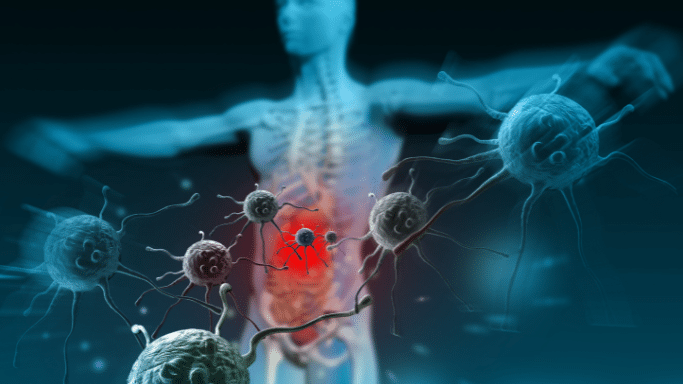
VIP is a 28-amino acid neuropeptide with remarkably broad physiological effects, and its relevance to joint pain operates through a mechanism overlooked by most pain specialists.
For starters, VIP possesses potent anti-inflammatory and immunomodulatory functions.
It also acts as a powerful suppressor of inflammation by trans-deactivating chemokine receptors, which reduces the recruitment of inflammatory cells to damaged tissue.
In the context of joint pain, research has demonstrated that VIP plays a significant role in osteoarthritis since it’s found naturally in joint tissue and its signaling is disrupted in arthritic conditions.
Another fun fact about VIP is it works through the VPAC1 and VPAC2 receptors, activating cAMP-dependent pathways and consequently leading lead to smooth muscle relaxation, reduced pro-inflammatory cytokine production, and increased anti-inflammatory cytokine release.
There’s also published evidence suggesting VIP has relevance in rheumatoid arthritis pathogenesis, where altered VIP receptor expression contributes to the immune dysregulation driving joint destruction.
VIP is typically administered as a nasal spray (50-100 mcg four times daily) and is primarily used for Chronic Inflammatory Response Syndrome (CIRS).
But based on the evidence I’ve presented thus far, its anti-inflammatory mechanisms have direct relevance to immune-driven joint pain conditions.
LL-37: The Antimicrobial Defense Peptide
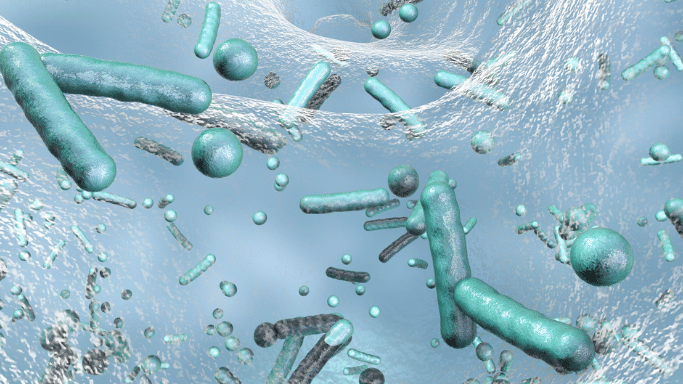
LL-37 is a human cathelicidin antimicrobial peptide known to play a critical role in innate immune defense, while also having an underappreciated role in pain conditions driven by low-grade infection or immune dysfunction.
And yes, it too has a place in addressing joint pain.
A subset of chronic joint conditions — particularly persistent joint inflammation that is non-responsive to standard anti-inflammatory approaches — may involve low-grade bacterial biofilms or immune dysregulation missed by standard treatment protocols.
LL-37 disrupts bacterial membranes and biofilms while simultaneously modulating immune responses, and possesses documented anti-inflammatory properties known to reduce excessive immune activation.
For most patients with joint pain, LL-37 isn’t the first-line intervention.
But for those with refractory inflammatory arthritis, post-infectious joint conditions, and/or immune-mediated joint dysfunction, LL-37 addresses a biological mechanism entirely separate from those targeted by BPC-157 and TB-500.

Cardiovascular Peptides: The Circulation Connection
Here’s an interesting piece of trivia even the most well-read biohackers don’t know about: Joint health is DIRECTLY dependent on cardiovascular health.
Your joints, tendons, and cartilage are already among the least vascularized tissues in the body.
If your cardiovascular system is compromised — from chronic inflammation, endothelial dysfunction, and/or poor microcirculation — the nutrient and oxygen delivery to joint tissue drops even further.
This creates a vicious cycle in which poor blood supply leads to slower repair, more degeneration occurs, and the end result is more pain.
Cardiovascular peptides — including bioregulators like Chelohart that target cardiac tissue optimization — support the foundation ALL tissue repair ultimately depends on.
If you’re stacking BPC-157, TB-500, and KPV for joint healing but your cardiovascular system is compromised, you might be shooting yourself in the foot.
Optimize the delivery system by improving your cardiovascular health, and every healing peptide you use will “magically” start working better.
Collagen Peptides: Type I vs. Type II — Know the Difference
If you’re dealing with joint pain, collagen peptides should absolutely be a part of your pain reduction protocol.
But most people don’t understand the difference between type I and type II collagen, and they end up using the wrong one.
Type I Collagen
Type I collagen is the most abundant collagen in the human body.
It’s the primary structural protein in skin, tendons, ligaments, bones, and connective tissue.
If you’re dealing with tendon injuries, ligament damage, bone healing, or skin repair, type I collagen peptides are what you should be using as they provide the tensile strength holding your musculoskeletal system together.
When you supplement with type I collagen peptides, you’re providing the amino acid building blocks (glycine, proline, hydroxyproline) your body uses to synthesize and repair these structural tissues.
Fish collagen and bovine collagen supplements, as an example, are primarily type I.
Type II Collagen
Type II collagen is a completely different molecule with a separate function.
It is the primary collagen found in articular cartilage, i.e. the smooth, shock-absorbing tissue that lines the surfaces of your joints.
If you’re dealing with osteoarthritis, cartilage degradation, or joint pain caused by loss of cartilage integrity, type II collagen is what you should opt for.
Undenatured type II collagen (UC-II) works through an immune-mediated process called oral tolerance.
When you ingest small amounts of undenatured type II collagen, it interacts with immune cells in the gut (Peyer’s patches), reducing the autoimmune-driven inflammatory response that attacks your own cartilage.
This is fundamentally different from how type I collagen works: Type I provides the building blocks, while type II modulates the immune response that’s destroying your joints.
A meta-analysis of randomized controlled trials concluded collagen peptide supplementation significantly reduces pain scores in knee osteoarthritis patients, with measurable improvements appearing after just 15 days.
Human trials also found low-molecular-weight collagen peptides improve both joint pain and physical function after 180 days of daily supplementation.
Which Type Should You Use?
For joint pain from osteoarthritis or cartilage loss: Type II collagen (undenatured, 40mg/day)
For tendon, ligament, or bone injuries: Type I collagen (hydrolyzed, 10-15g/day)
For comprehensive musculoskeletal support: Both types, taken at different times of the day (type II works best on an empty stomach in the morning, whereas type I can be taken any time)
Most people taking “collagen for joint pain” are using type I hydrolyzed collagen and wonder why their joints don’t feel better.
It’s because type I builds structure, but type II modulates the immune attack on cartilage.

Peptide Therapy Protocol for Pain Relief
Here’s how I’d think about devising a peptide protocol for pain relief:
- Foundation: Collagen peptides, using type II for cartilage-driven joint pain and type I for structural/connective tissue injuries.
- Core healing stack: BPC-157 + TB-500 for tissue repair and anti-inflammatory effects through complementary pathways. This is the “Wolverine healing stack” I consider essential for any serious injury recovery.
- Anti-inflammatory amplification: KPV for upstream NF-κB modulation, addressing the inflammatory gene expression driving chronic pain.
- Neuropathic component: ARA-290 for nerve sensitization and neuropathic pain, particularly in conditions where pain seems disproportionate to structural damage.
- Immune/inflammatory modulation: VIP for immune-mediated joint conditions, LL-37 for refractory inflammatory conditions or suspected biofilm involvement.
- Cardiovascular foundation: Support microcirculation and vascular health so every healing peptide can actually reach the damaged tissue(s).

Safety and Realistic Expectations
Collagen peptides are exceptionally safe with minimal side effects.
BPC-157 and TB-500 have demonstrated remarkable safety profiles, but long-term human data is limited.
KPV has excellent tolerability data from its use in gut and systemic inflammatory conditions.
ARA-290, VIP, and LL-37 are more specialized interventions that require knowledgeable supervision.
Where possible, make sure you’re working with a physician who specializes in peptide therapy.
The Bottom Line
Chronic pain is not something you should “learn to live with,” and the conventional pharmaceutical approach is a dead end that leads to a mix of financial dependency and worsening health.
Peptides offer a fundamentally different approach by targeting the mechanisms of pain at the receptor level while promoting actual tissue healing.
The core stack — BPC-157, TB-500, KPV, ARA-290, and cardiovascular support peptides — addresses tissue repair, inflammation modulation, neuropathic sensitization, immune dysfunction, and vascular delivery in a way that no single pharmaceutical drug possibly could.
Add collagen peptides (the RIGHT type for your condition) as the structural foundation, and you have a comprehensive pain protocol.
Your job is to be informed, to work with knowledgeable practitioners, and to take responsibility for your own healing instead of outsourcing it to a system that profits from your continued suffering.
This is how you break free from the limitations of sick-care medicine and take control of your own health optimization.
And don’t forget: Always source peptides from reputable compounding pharmacies or verified research suppliers — NEVER from random internet vendors.
Just as you wouldn’t put low-grade fuel in a precision engine, you sure wouldn’t put anything less than the purest peptides in your body.
That’s why source quality and manufacturing standards matter.
I’ve personally vetted dozens of peptide suppliers, and I can tell you this without hesitation: BioLongevity Labs sets the benchmark for authentic therapeutic peptides, with a ruthless focus on stringent third-party testing and top-notch customer service.
They consistently deliver the highest quality products, trusted by professionals for both personal and clinical use.
Whether you’re looking to elevate your performance or integrate these products into research applications, BioLongevity Labs is a reliable source you can count on.
👉 Click here to place your online order for premium peptides 👈
Use code JayC to get 15% off your order!
I also invite you to join me and other like-minded biohackers in The Fully Optimized Health Private Membership Group.
You’ll receive guidance from myself and an elite group of more than 700 male and female biohackers (who all started out just like you).
And don’t forget to check out my premium educational content dedicated to helping you fully optimize your health:
Quantum Peptides – the A-to-Z system for anyone (newbies & pros alike) desiring to master peptide use for the first time and forever.
Quantum Testosterone – the A-to-Z system for Men & Women to learn to optimize their hormones for explosive energy, lean muscle, and timeless vitality.
The Ultimate GLP-1 Video Masterclass – how to PROPERLY utilize the world’s most powerful weight loss drugs for enhanced fat loss and overall longevity.
The Modern Woman’s Peptide Course – a must-have resource for any woman seeking to become more feminine, sexier, leaner, and healthier through the use of peptides.
Life Enhanced – Unlock the secrets to TOTAL Mind-Body-Spirit Optimization as Hunter Williams and I teach you how to live at the tip of the spear.
30 Days 2 Shredz – Reprogram Your Mind and Body for Maximum Fat Loss in Minimum Time with our Optimized Fasting Protocol
Monica Campbell’s 3 Day PMF Video Training Program – Ignite unbreakable strength, sculpt lean muscle, and conquer workouts fearlessly with my wife Monica’s 3 Day Video training course.
Positive Muscle Failure Video Training Program – Learn how to lift weights correctly for maximum muscle in minimum time while building the physique of your dreams.
See you on the inside!