 Written by Jay Campbell





[Disclaimer: This article is for educational purposes only. It does not constitute medical advice, diagnosis, or treatment. Always consult a qualified healthcare professional before beginning any therapeutic protocol.]
Most people injecting glutathione subcutaneously have no idea what’s actually happening inside their body once the molecule makes its entry.
Well… this same ignorance is what allows wellness clinics to keep pushing this compound.
Sadly, this antioxidant molecule is one of the most misrepresented Golden Age agents in the entire optimization space.
While a lot of hype surrounds its use, the available clinical evidence for glutathione as a subcutaneously-injected compound is thin at best.
So what should you do?
Continue using glutathione, or throw it in the trash?
I propose a third and better option:
Seek to understand its mechanism of action and the limitations of its use so you can determine the correct glutathione SubQ dosage for YOU!
Along with the alternatives that exist.
What I AM going to do in this article is give you the unfiltered truth.
One grounded in a mix of brutal honesty, real-world experience, and biochemistry.
Quick Takeaways
- SubQ glutathione bypasses gut metabolism but faces serious cellular uptake limitations misunderstood by most people
- There is no standardized, evidence-based subcutaneous dosing protocol in clinical medicine at this time
- Your body tightly regulates glutathione synthesis, which limits how much exogenous administration can actually move the needle
- N-acetylcysteine (NAC) has stronger clinical evidence for raising intracellular glutathione than direct injections of glutathione do
What Glutathione Actually Does at the Cellular Level
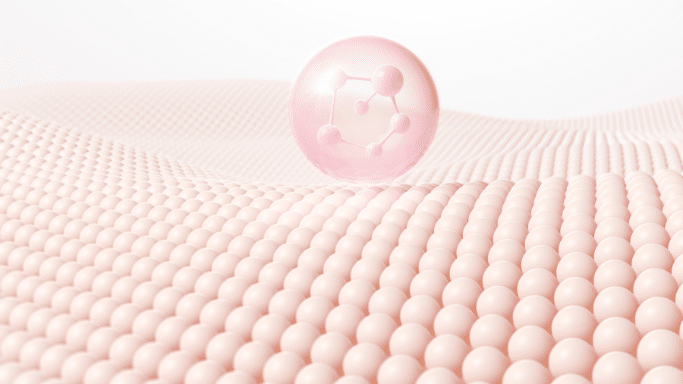
Glutathione is your body’s master intracellular antioxidant, and understanding its biochemistry will help you follow along with what’s to come in this article.
Glutathione (GSH) works primarily by directly scavenging reactive oxygen species (ROS) and acting as a critical cofactor for glutathione peroxidase, the enzyme responsible for neutralizing hydrogen peroxide and lipid peroxides within your cells.
Its effects on inflammation run deep, operating through thiol-disulfide exchange reactions that modulate major signaling cascades such as NF-kB and MAPK pathways.
All while reducing cytokine production and oxidative damage at the molecular level.
Glutathione’s true power fundamentally comes down to redox biology: The balance between oxidation and reduction responsible for modulating cellular aging and overall metabolic health.
The Absorption Problem Nobody Talks About
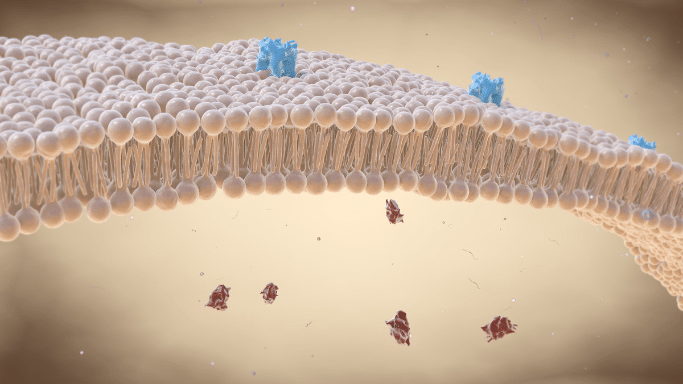
Most cells synthesize glutathione de novo, meaning they build it internally from the amino acid precursors glutamate, cysteine, and glycine.
Put another way, your cells are not designed to readily absorb the full glutathione molecule from the extracellular environment.
Outside of the cell, glutathione is frequently broken down by gamma-glutamyl transferase back into its component amino acids before those building blocks are taken back up intracellularly.
The gamma-glutamyl cycle does allow some tissues (particularly the liver, kidney, and lung epithelium) to utilize extracellular glutathione more directly via membrane transporters.
This is one mechanistic reason IV and parenteral administration have shown some tissue-level effects in animal studies.
With that being said: Injecting glutathione DOES NOT guarantee meaningful intracellular increases across tissues.
Anyone telling you otherwise cares more about your money than your well-being.

SubQ vs. IV: Understanding the Pharmacokinetic Difference
Subcutaneous (SubQ) delivery does have one real advantage over oral dosing: it bypasses first-pass hepatic metabolism, meaning the liver does not immediately degrade what you inject before it enters systemic circulation.
The tradeoff you get in exchange comes down to absorption kinetics.
SubQ injections produce slower absorption than intravenous (IV) injections, resulting in more prolonged yet lower peak plasma levels.
This may theoretically offer a more sustained window of availability to tissues like the liver and kidney that can actually utilize circulating glutathione.
IV-administered glutathione is where the majority of human clinical data exists, with modest evidence from small trials in Parkinson’s disease showing some symptomatic benefit (though results have been inconsistent and have not been replicated at scale).
No high-quality randomized controlled trials specifically evaluate SubQ glutathione dosing regimens, frequency, or comparative efficacy versus IV or oral routes.
A big literature gap I hope will get addressed sometime in the near future.
For a broader framework on how SubQ compares to other delivery routes across peptide and antioxidant compounds, this breakdown on oral versus injection delivery gives you the pharmacokinetic context you require to understand this topic on a deeper level.

What People Are Actually Using SubQ Glutathione For
The primary off-label use of SubQ glutathione is skin lightening, where glutathione is believed to inhibit melanin synthesis through interfering with tyrosinase enzyme activity.
Some small randomized trials have shown reductions in melanin index scores, but there are notable flaws in these trials.
Their methodological quality is low, results are inconsistent across trials, and regulatory agencies have yet to approve injectable glutathione for skin whitening or general wellness purposes due to insufficient evidence.
Chronic high-dose use of glutathione for cosmetic purposes has also raised legitimate concerns about disruption of normal melanocyte function due to unknown long-term consequences.
Whereas the biohacking community taps into glutathione for different reasons, which pertain primarily to post-training recovery and antioxidant support.
These uses may have the backing of plausible mechanistic rationales, but none possess the robust clinical validation I would want to see in a “proven” protocol.
If you’re exploring injectable antioxidant peptides for skin and cellular repair that have a stronger evidence base, GHK-Cu is worth your time and money.
Glutathione SubQ Dosage Guidance: What’s Being Used in Practice
Because there is no standardized evidence-based SubQ dosing protocol, what I can share reflects the summation of what has been employed by experienced practitioners and self-experimenters.
NOTE: The Women’s Peptide Cheat Sheet protocol runs 200-400 mg (up to 600 mg) SubQ or IM (intramuscular), 2-3 times per week in the AM, for 8 weeks on and 2-4 weeks off… a reasonable framework consistent with what you see across the practitioner community.
Commonly observed SubQ dosing ranges:
- 100-600 mg per injection, 1-3 times per week
- Higher doses (400-600 mg) are more typical among those targeting systemic antioxidant effects
- Lower doses (100-200 mg) are used in maintenance or adjunct protocols
- Most practitioners use sterile, pharmacy-compounded glutathione in isotonic saline
Injection protocol basics:
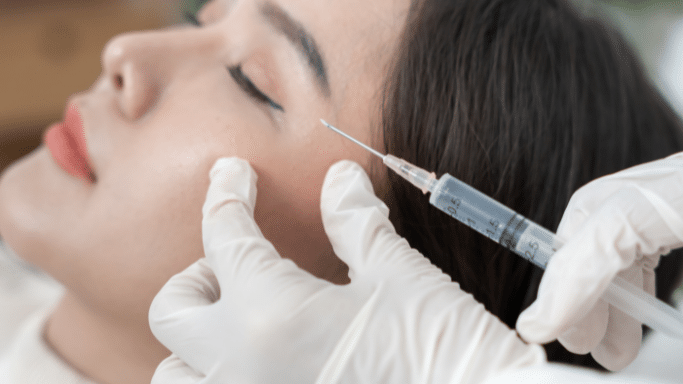
- Use a 27g or 29g insulin-style needle, injected at a 45-degree angle into abdominal subcutaneous fat
- Rotate injection sites consistently to avoid tissue irritation
- Perform the injection slowly (10 to 15 seconds) to minimize local discomfort
Skipping these steps are reflective of the kind of peptide mistakes that turns a solid protocol into an abject failure.
UNDERSTAND THIS: The body’s synthesis of glutathione is tightly regulated by feedback inhibition of gamma-glutamylcysteine synthetase, meaning your endogenous system actively resists sustained elevation from exogenous dosing.

Safety, Risks, and Contraindications
Known and potential adverse effects of SubQ gluathione include:
- Injection site reactions: redness, swelling, induration (for a full breakdown of what’s normal versus what requires attention, see my article about peptide injection site reactions)
- Skin rashes
- Rare but serious: Stevens-Johnson syndrome has been reported in case studies linked to injectable glutathione use
- IV glutathione has triggered bronchospasm in asthma patients; the relevance this has to SubQ injections is currently unclear but warrants caution in susceptible individuals
There is also a theoretical concern, supported by limited animal data, that repeated high-dose glutathione administration may downregulate your own endogenous synthesis pathways (effectively making you dependent on exogenously-administered glutathione over time)
Lastly… DO NOT use injectable glutathione if you have a history of severe allergic reactions, asthma, or kidney dysfunction without direct supervision from a knowledgeable clinician.
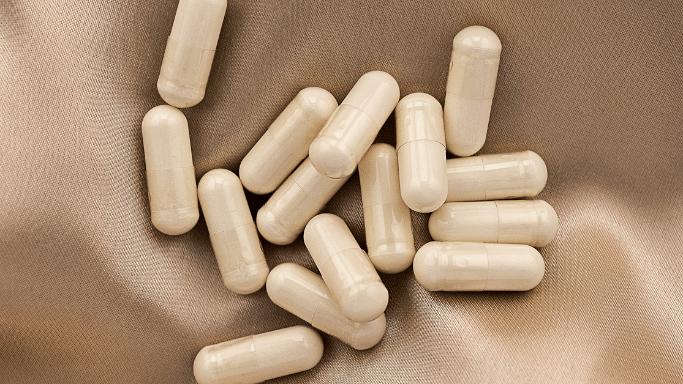
The Oral Alternative: Why NAC Wins on Evidence
If your primary goal is raising intracellular glutathione, N-acetylcysteine (NAC) has stronger clinical evidence and has far more predictable pharmacokinetics than SubQ glutathione injection.
NAC is a direct precursor to cysteine, the rate-limiting amino acid in glutathione synthesis, and it reliably increases intracellular GSH levels across multiple tissues.
And unlike SubQ glutathione, it has decades of human trial data backing its use.
NAC works WITH your biology instead of trying to flood the extracellular space with a molecule your cells may not effectively absorb.
I cover NAC as part of the full mitochondrial antioxidant stack in my article about the top supplements for mitochondrial function, and it still remains as one of the most criminally underused compounds among biohackers.
So does SubQ glutathione have any practical use?
it potentially has a role for liver and kidney support under oxidative stress conditions where those tissues can utilize extracellular GSH more directly.
But going straight to injectable glutathione while ignoring NAC optimization is like skipping over the blueprint to build a house and then wondering why the house doesn’t stand on its own legs.
If you desire mitochondrial antioxidant support that operates at the peptide level alongside NAC, MOTS-c and SS-31 are two of the most compelling compounds targeting cellular energy and oxidative stress through completely different mechanisms.

Own Your Biology. Make Informed Decisions.
SubQ glutathione has a compelling mechanism, combined with widepsread off-label use and a possible pharmacokinetic advantage over oral glutathione.
But when it comes to the clinical evidence, SubQ glutathione is lacking.
There are real health risks to be aware of and the dosing is far from standardized.
At the end of the day, you are the master and captain of your own biology.
My job is to give you the science, the mechanisms, the honest risk assessment, and the practical insight.
Your job is to make the decisions that help you become fully optimized.
Nobody in the sick-care system is going to have this conversation with you.
Your GP isn’t cross-referencing the pharmacokinetics of extracellular GSH degradation.
That part is going to be up to you, and this article was written to help you navigate these murky waters with ease. hey are managing disease.
Want more top-tier education just like this, delivered straight to your inbox every day for free?
Get on my email list and access the full ecosystem of education we’ve built specifically for serious people who want to #GetFullyOptimzed.
Isn’t It Time You Became Fully Optimized To Live Leaner, Longer And Stronger?
Join my #1 online membership group, Fully Optimized Health to receive guidance from me and an elite group of more than 700 male and female biohackers (who all started out just like you)
And don’t forget to check out our other premium educational content dedicated to helping you fully optimize your health:
Quantum Peptides – the A-to-Z system for anyone (newbies & pros alike) desiring to master peptide use for the first time and forever.
Quantum Testosterone – the A-to-Z system for Men & Women to learn to optimize their hormones for explosive energy, lean muscle, and timeless vitality.
The Ultimate GLP-1 Video Masterclass – how to PROPERLY utilize the world’s most powerful weight loss drugs for enhanced fat loss and overall longevity.
The Modern Woman’s Peptide Course – a must-have resource for any woman seeking to become more feminine, sexier, leaner, and healthier through the use of peptides.
Life Enhanced – Unlock the secrets to TOTAL Mind-Body-Spirit Optimization as Hunter Williams and I teach you how to live at the tip of the spear.
30 Days 2 Shredz – Reprogram Your Mind and Body for Maximum Fat Loss in Minimum Time with our Optimized Fasting Protocol
Monica Campbell’s 3 Day PMF Video Training Program – Ignite unbreakable strength, sculpt lean muscle, and conquer workouts fearlessly with my wife Monica’s 3 Day Video training course.
Positive Muscle Failure Video Training Program – Learn how to lift weights correctly for maximum muscle in minimum time while building the physique of your dreams.
See you on the inside!


