 Written by Jay Campbell



[Disclaimer: This article is for educational purposes only. Always consult with a qualified healthcare provider before starting any peptide protocol.]
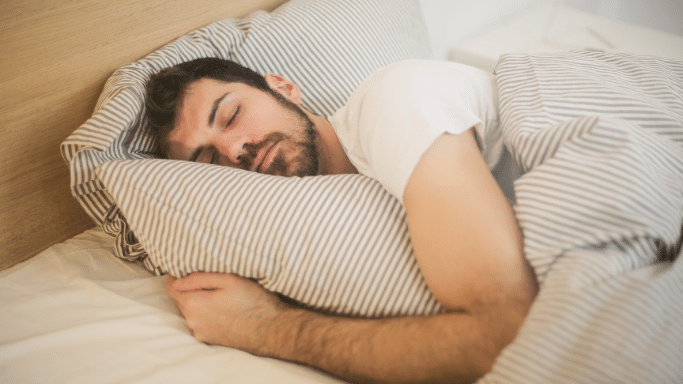
The wellness industry just discovered sleep and the cool kids on Twitter have coined a new fad called “sleepmaxxing.”
Over 125 million TikTok views later, everyone and their mother is convinced they need a $300 sleep tracker and weighted blanket to finally get some decent rest.
Want to know what’s ACTUALLY destroying your sleep?
The same companies selling you solutions to your sleep problems are keeping you awake with screens designed to emit bright blue light and keep you scrolling past midnight.
The sleep optimization strategies that actually work, on the other hand, have been sitting in peer-reviewed journals for 30+ years.
They may never go viral, but they are damn good for optimizing the 1/3rd of your life you spend asleep.
What You Need to Know
- Going to bed and waking at the same time daily is the #1 predictor of sleep quality
- 60-67°F is the optimal room temperature for deep, restorative sleep
- Regular physical activity significantly improves sleep quality regardless of your age
- Keep your bedroom free of electronics and devices — screen time in bed delays sleep onset by 35 minutes

The Truth About Sleep Problems
The sleep crisis in America, and arguably all Western civilization, is very much real.
According to the CDC, roughly 83.6 million American adults (~33.2% of the population) get less than seven hours of sleep per night.
Sleep disorders affect an estimated 70 million Americans, significantly contributing to cognitive decline and a dramatically lower quality of life.
People are desperate for solutions, which explains why sleepmaxxing exploded as a wellness trend in 2024.
But with desperation comes an awful lot of misinformation.
So to help you escape from the sea of lies and half-truths, I AM going to share five essential sleepmaxxing strategies backed by decades of scientific research.
These are the fundamentals that will always move the needle on sleep quality.
If you’re an insomniac, suffering from sleep apnea, or just plain desire better sleep so you can recover faster and achieve peak performance all day long…
… this article was written just for you!
What is Sleepmaxxing?
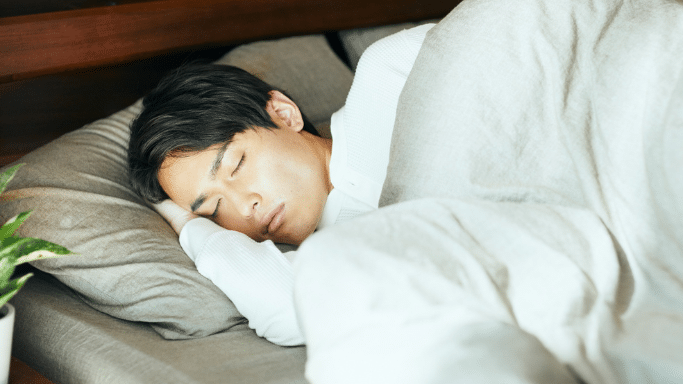
Let me be blunt: the sleepmaxxing trend isn’t teaching you anything sleep specialists haven’t already known for decades.
All that’s changed is the re-branding.
Gen Z re-discovered the concept of sleep hygiene and decided to rebrand it with a catchy name.
While this effort is commendable, I AM concerned with the obsession over achieving “perfect sleep”
Some sleep experts have coined a term for this obsession:
“Orthosomnia”, a phenomenon where people become so fixated on sleep tracking and optimization that they create anxiety around sleep and ironically make their sleep problems even worse!
But your goal in this endeavor should NOT be perfection.
All you have to do is consistently follow evidence-based practices that support your body’s natural sleep architecture.
Because what these Gen Z influencers won’t tell you is your body already knows how to sleep.
You just need to stop fighting against your circadian biology.

Hack #1: Lock In Your Sleep Schedule (The Non-Negotiable Foundation)
This is the single most important factor for high-quality sleep, and sadly the most ignored factor.
The foundation of sleep optimization is regularity, which means going to bed at the same time every night and waking up at the same time every day.
As Dr. Matthew Walker, Professor of Neuroscience at UC Berkeley, puts it: “Regularity is king.”
When you make it a habit to keep your sleep time consistent and in line with your natural circadian rhythm, you optimize both the quantity and quality of your rest.
It’s proven by both common sense AND science!
A 2017 study in Scientific Reports examined 61 undergraduates for 30 days and found irregular sleep schedules created circadian disruption equal to traveling 2-3 time zones westward.
To nobody’s surprise, the irregular sleepers also demonstrated lower academic performance.
Not convinced yet?
A 2024 study in Sleep demonstrated sleep regularity is a stronger predictor of mortality risk than sleep duration alone.
Let me say it again, and louder for the people who are asleep reading this article:
How CONSISTENTLY you sleep matters more than how LONG you sleep!
How to Implement This Sleep Hack
Set a non-negotiable time for falling asleep and a non-negotiable time for waking up, with a maximum variation of 20 minutes on either side.
This gives you a “wiggle room” of about 40 minutes.
You do this from Monday to Friday, you do it on Saturday and Sunday, and you do it on the holidays.
No exceptions.
Your brain doesn’t care what day it is.
Consistency synchronizes your circadian clock and makes falling asleep and waking up a natural and automatic process, rather than something you have to “force” yourself to do.
If you’re serious about sleep optimization, start here.
Everything else is secondary in comparison.

Hack #2: Dial In Your Bedroom Temperature (60-67°F)
Temperature regulation plays a critical role in sleep quality.
See, your core body temperature naturally drops as you get ready to go to sleep.
This thermoregulatory process is essential for initiating the processes of falling asleep and staying asleep.
Multiple studies have established the optimal bedroom temperature for adults to be somewhere between 60-67 degrees Fahrenheit.
Dr. Shelby Harris, a licensed psychologist board-certified in behavioral sleep medicine, says that this temperature range is what “helps trigger the natural drop in body temperature and supports deep, restorative sleep.”
The National Sleep Foundation, along with the majority of sleep specialists, recommend this range because it aligns with your body’s natural circadian cooling process.
If you’ve ever slept in a hot room, you know what I AM talking about.
Your body will struggle to achieve the necessary decrease in temperature, leading to increased wakefulness and reduced sleep quality.
Here’s another interesting piece of information:
Research indicates older adults (65+) may require slightly warmer temperatures between 68-77°F, likely due to decreased thermoregulation capacity with age.
How to Optimize Sleep Temperature
Simply set your thermostat between 60-67°F before going to bed.
Use breathable, cooling bedding materials.
Wear light sleepwear, or sleep naked if you can.
You can even take a warm bath or shower 60-90 minutes prior to falling asleep.
The subsequent drop in body temperature after you get out promotes sleepiness through what experts call the “warm bath effect.”
This strategic temperature manipulation can help stubborn sleepers improve sleep onset and sleep quality.

Hack #3: Move Your Body (Exercise Is Non-Negotiable)
Regular physical activity is one of the most evidence-based strategies for improving sleep quality, with benefits observed across multiple populations and age groups.
A comprehensive 2025 network meta-analysis of 81 randomized controlled trials found exercise interventions enhance both subjective and objective sleep quality.
The pooled effect size demonstrates exercise has a meaningful and statistically significant positive impact on sleep.
Exercise interventions lasting 9-10 weeks, performed 4 times per week for ≤30 minutes at high intensity, are usually most effective for improving sleep quality.
Aerobic training, resistance training, and mind-body exercises like yoga, Pilates, and tai chi, all improve sleep.
The mechanisms behind exercise leading to better sleep are multifaceted:
- Regulation of circadian rhythms
- Increases in melatonin production
- Reduction of stress hormones,
- Improved mood
- Enhanced oxygen utilization
And contrary to conventional wisdom, recent research shows evening exercise does not necessarily harm sleep quality (particularly in younger adults).
How Exercise Helps You Improve Sleep Quality
Aim for at least 150 minutes per week of moderate-intensity aerobic exercise, or 75 minutes of vigorous activity.
The mind-body exercises I just mentioned particularly effective for sleep enhancement.
If you’re the type of person who is sensitive to exercise-induced alertness, complete high-intensity workouts at least 2-3 hours before bedtime.
Just like the other two foundations, consistency is key.
Regular training creates a stronger circadian signal for sleep than intense sessions performed sporadically.
If you’re looking to optimize your training and recovery through advanced protocols, my Life Enhanced program breaks down the exact routines I use for maximum performance and recovery.

Hack #4: Get Professional Help If You Need It (CBT-I Works)
If you’ve been struggling with chronic insomnia for three months or more, it’s time to stop messing around with sleep gadgets and get some real help.
Cognitive Behavioral Therapy for Insomnia (CBT-I) is recommended by both the American Academy of Sleep Medicine and the American College of Physicians as a first-line treatment for chronic insomnia.
It’s a structured and multicomponent approach that includes a wide range of tactics: Sleep restriction, stimulus control, cognitive restructuring, and relaxation techniques are just a few of them.
Meta-analyses consistently show 70-80% of patients with primary insomnia experience improvements when treated with CBT-I.
A 2023 systematic review also found CBT-I was MORE effective than medication therapy in the long term, with sustained improvements when patients were followed up after 6 months of CBT-I.
Long-term effectiveness studies tracking patients 3-7 years after completing CBT-I found 50% of patients no longer met criteria for insomnia, with 60% of them experiencing meaningful improvements.
These effects were maintained regardless of whether patients had medical or psychiatric comorbidities.
Digital CBT-I delivered via apps or online platforms have also been proven to be nearly as effective as face-to-face therapy, making it more accessible and affordable.
Just don’t use these apps haphazardly to the point where they interfere with your sleep patterns!
How CBT-I Helps You Sleep Better
If you’re experiencing difficulty falling asleep, staying asleep, or have been suffering poor sleep quality for at least 3 months, consult a healthcare provider about CBT-I.
Many evidence-based digital CBT-I programs are now available that can be self-administered with minimal professional guidance.
These typically involve 6-8 weeks of structured sessions addressing sleep-related thoughts, behaviors, and habits.
Therapy of this nature will be a far more productive use of your time than attempting to hack your way around insomnia with supplements and gadgets.
Hack #5: Enforce a Screen Curfew (Your Phone Is Destroying Your Sleep)
The relationship between screen time and sleep has been extensively studied, and the results are clear:
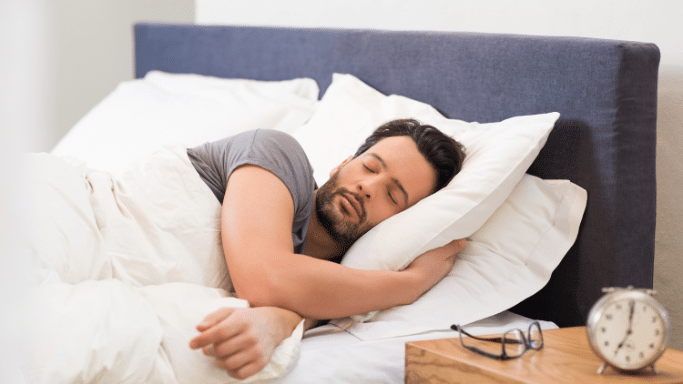
Screens before bed will destroy your sleep hygiene, ESPECIALLY when you use them while you are in bed!
A large 2024 study in JAMA Pediatrics tracked 79 participants aged 11-14 using objective video monitoring and found something interesting:
Screen time in the two hours before bed had minimal effect on most sleep measures.
But screen use while lying down in bed (think games, social media, etc.) significantly impaired sleep.
Screen time in bed delays sleep onset by 35 minutes and reduces total sleep time, with active use causing greater reductions than passive viewing.
A Norwegian study found one hour of screen time after going to bed resulted in a 59% higher risk of insomnia symptoms and a 24-minute reduction in sleep duration.
The mechanisms powering this technology-induced sleep disruption are numerous:
- Direct time displacement
- Blue light induced suppression of melatonin
- Increased arousal from consuming stimulating content
- Sleep interruptions from digital on-screen notifications
Studies examining 2+ hours of evening blue light exposure consistently show serious disruption to the melatonin surge needed for sleep initiation.
And drinking caffeine within six hours of bedtime leads to a reduction in your total sleep time by approximately 41-45 minutes.
Screen Time Rules to Improve Your Sleep
Establish a “screen curfew” 30-60 minutes before your target bedtime.
During that time, engage in relaxing activities that DO NOT involve a screen.
Reading physical books, taking a bath, meditating, and gentle stretching are good choices
If you MUST use devices, enable blue light filters (Night Shift on iOS, Night Light on Android, f.lux on Windows/Mac).
Lower the screen brightness and avoid all forms of interactive or stimulating content.
Most importantly: keep ALL DEVICES out of the bedroom entirely.
Charge them in another room with the notifications turned off.
Use an analog alarm clock if you have to be up at a specific time.
Your bedroom should be for sleep and sex — nothing else.

Additional Science-Backed Sleep Strategies
While the five hacks above are the most impactful approaches, there are other sleepmaxxing techniques that have some genuine promise behind them.
Magnesium for Better Sleep
Recent studies have found magnesium supplementation can improve sleep quality.
A 2024 randomized controlled trial showed people using magnesium experienced a 32% increase in reported sleep quality compared to 16% in the placebo group.
Another 2024 study found magnesium L-threonate improved deep sleep, REM sleep, light sleep time, mood, energy, and mental alertness compared to placebo.
Magnesium is one of the few supplements I consistently recommend for sleep optimization.
If you’re looking for more advanced strategies, check out my guide on the best peptides for sleep quality and my guide to the ultimate sleep peptide DSIP.
Weighted Blankets for Sleep Quality
Multiple studies show weighted blankets can improve sleep quality in adults with insomnia.
A 2024 trial found adults using weighted blankets for one month experienced better sleep quality compared to normal blankets, along with reductions in daytime sleepiness, stress, anxiety, fatigue, and bodily pain.
Additionally, a 2020 study showed weighted blankets resulted in a large effect size for improving insomnia severity.
Mouth Tape for Sleep Apnea (Proceed with Extreme Caution)
This is a controversial sleepmaxxing trend I must address directly.
Limited research on mouth taping for mild obstructive sleep apnea shows some promise, but experts urge extreme caution.
A 2022 study of 20 patients with mild OSA (obstructive sleep apnea) found mouth taping reduced the apnea-hypopnea index by 47%.
However, a 2025 systematic review found the evidence supporting mouth taping was mixed, with potential risks including asphyxiation in people with nasal obstruction.
Sleep expert Dr. Brian Rotenberg issues the following warning:
“Our research shows that taping the mouth shut during sleep is dangerous, especially among those who may not be aware they have sleep apnea.”
So use this tip with caution.
If you are a heavy snorer and/or, get a proper sleep study done on yourself.

The Danger of Sleep Perfectionism
While optimizing sleep is beneficial, sleep experts caution against becoming too fixated on achieving “perfect” sleep.
This phenomenon, sometimes called “orthosomnia” or sleep anxiety, is emerging as a major wellness concern.
Obsessing over sleep can create stress, which makes sleep issues worse.
You’ll find yourself in a vicious cycle that feeds itself and defeats the entire purpose of sleep optimization.
As Dr. Nerina Ramlakhan says: “while our bodies are naturally equipped for quality sleep, our lifestyles often contradict our biological design.”
The goal should be implementing evidence-based practices consistently rather than achieving some arbitrary standard of perfection every night.
Some nights you’ll sleep great, and some nights you’ll sleep not-so-great.
This is a normal part of human life you don’t have to optimize away.

The Bottom Line
The most effective sleepmaxxing strategies don’t involve exotic biohacks or expensive sleep gadgets.
Rather, they are simple behaviors hat support your body’s natural sleep architecture, backed by decades of common sense and an ample amount of scientific research.
Focus on the five fundamentals and you’ll be good to go:
- Maintain a consistent sleep schedule
- Optimize your bedroom temperature
- Exercise regularly
- Avoid screens close to bedtime
- Seek professional help like CBT-I if insomnia persists
As Dr. Matthew Walker notes, “most of how well you feel when you wake up every day is determined by non-genetic, in other words, modifiable, influential factors.”
You have control over your sleep quality.
You just have to stop chasing the next viral TikTok trend and start implementing what actually works instead.
Sustainable sleep improvement comes not from perfection, but from building sleep health habits you can maintain for life.
But if you want to dive deeper into Golden Age agents for the purposes of optimizing sleep, just know this…
Quality makes all the difference.
Just as you wouldn’t put low-grade fuel in a precision engine, you sure wouldn’t put anything less than the purest peptides in your body.
That’s why source quality and manufacturing standards matter.
I’ve personally vetted dozens of peptide suppliers, and I can tell you this without hesitation: BioLongevity Labs sets the benchmark for authentic research-grade peptides, with a ruthless focus on stringent third-party testing and top-notch customer service.
They consistently deliver the highest quality products, trusted by professionals for both personal and clinical use.
Whether you’re looking to elevate your performance or integrate these products into research applications, BioLongevity Labs is a reliable source you can count on.
👉 Click here to place your online order 👈
Use code JayC to get 15% off your order!
I also invite you to join me and other like-minded biohackers in The Fully Optimized Health Private Membership Group.
This is where we dive deep into using peptides to optimize health, especially for those in their 30s and beyond.
We’re also talking about cutting-edge biohacking and the latest and greatest in elite health optimization strategies.
And don’t forget to check out our other premium educational content dedicated to helping you fully optimize your health:
Quantum Peptides – the A-to-Z system for anyone (newbies & pros alike) desiring to master peptide use for the first time and forever.
Quantum Testosterone – the A-to-Z system for Men & Women to learn to optimize their hormones for explosive energy, lean muscle, and timeless vitality.
The Ultimate GLP-1 Video Masterclass – how to PROPERLY utilize the world’s most powerful weight loss drugs for enhanced fat loss and overall longevity.
The Modern Woman’s Peptide Course – a must-have resource for any woman seeking to become more feminine, sexier, leaner, and healthier through the use of peptides.
Life Enhanced – Unlock the secrets to TOTAL Mind-Body-Spirit Optimization as Hunter Williams and I teach you how to live at the tip of the spear.
30 Days 2 Shredz – Reprogram Your Mind and Body for Maximum Fat Loss in Minimum Time with our Optimized Fasting Protocol
Monica Campbell’s 3 Day PMF Video Training Program – Ignite unbreakable strength, sculpt lean muscle, and conquer workouts fearlessly with my wife Monica’s 3 Day Video training course.
Positive Muscle Failure Video Training Program – Learn how to lift weights correctly for maximum muscle in minimum time while building the physique of your dreams.
See you on the inside!