
 Written by Jay Campbell



[Disclaimer: This article is for educational purposes only. Always consult with a qualified healthcare provider before starting any peptide protocol.]
Most people approach a cut the wrong way: slash calories, cut carbs, and pray everything works out.
They end up skinny-fat and weaker than when they started.
All while wondering why the mirror is “lying” to them.
I AM going to put a stop to this madness by giving you the best macro split for cutting unwanted body fat from your physique.
It won’t be the recycled fitness influencer nonsense flooding your feed.
Instead, what you’re going to see is the same nutritional science found in 30 Days 2 Shredz, the most comprehensive fat loss system I’ve ever created.
If you like the foundational framework found in this article, I highly recommend reading the book if you want the complete implementation system.
Quick Takeaways
- Protein is the non-negotiable anchor of every effective cut
- An energy deficit is what drives fat loss, but the right combination of macronutrients determine what you lose alongside the fat
- Dropping fat intake too low tanks testosterone production and crauhes your hormonal health
- Adherence beats the “perfect” macro ratio for fat loss success every single time
- Alternate-day fasting eliminates the need for extreme macronutrient/calorie restriction by cycling your food intake strategically
- Peptides and targeted compounds can protect lean tissue and accelerate fat loss… IF they are layered on top of a fully optimized lifestyle

Why Most People Get Cutting Macros Completely Wrong
The fitness industry has been selling you a false either-or dichotomy for decades: Go full keto and shred fat, or go high-carb and stay strong.
Both extremes are lazy thinking, and will cost you either your muscle mass or your hormonal health (sometimes both).
The ISSN position on diets and body composition is clear:
When calories are controlled and protein is sufficient, a wide range of dietary approaches from low-fat to low-carbohydrate can be similarly effective for improving body composition.
What ACTUALLY MATTERS is how well you can keep your hormonal environment stable and how hard you can train on lifting days to prevent muscle loss.
Furthermore, the best macronutrient ratio is the one that supports your training intensity and keeps you compliant long enough to actually finish the cut.
For context: I was one of the original test subjects for Lyle McDonald’s ketogenic diet book in 1998, and I followed everything to the letter for 3 years.
My insulin metabolism didn’t return to normal until six months after stopping the ketogenic diet.
This is why I preach Metabolically Flexible Living (MFL).
You eat RELATIVE to your unique energetic demands and performance level, rather than follwoing whatever macro dogma is trending on social media.
The Role of Protein: Your Absolute First Priority
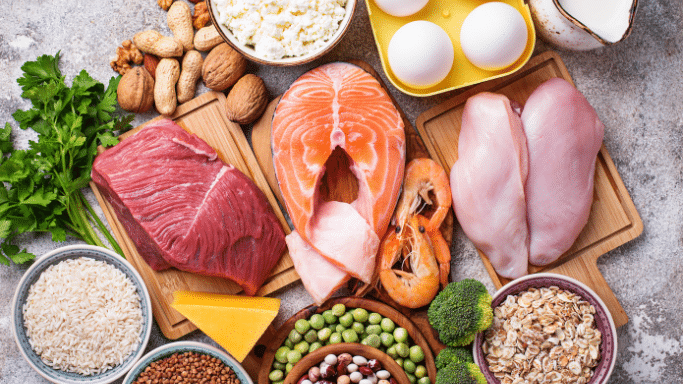
Everything in your fat loss diet fundamentally revolves around a consistently high proein intake.
Muscle protein synthesis, the cellular process through which your body builds and repairs muscle tissue, is driven significantly by leucine-triggered mTOR (mechanistic target of rapamycin) signaling.
Sustaining this pathway requires a consistent, adequate protein supply.
The ISSN position stand on protein and exercise confirms 1.6 to 2.0 g of protein per kilogram of bodyweight per day is sufficient for most exercising individuals, with higher intakes of 2.3 to 3.1 g/kg of fat-free mass recommended to maximize lean body mass retention in resistance-trained subjects during hypocaloric periods.
A recent meta-analysis confirmed that high-protein diets during energy restriction result in approximately 1.2 kg more lean mass retained compared to lower protein approaches.
Here’s a bonus benefit most people miss out on:
Protein carries a thermic effect of food (TEF) of roughly 20 to 30 percent, meaning your body burns nearly a third of protein calories just processing them… compared to 5-10-% for carbs and almost nothing for fat.
Higher protein also suppresses appetite through GLP-1, PYY, and ghrelin modulation.
This means you spontaneously eat less without white-knuckling willpower.
So here’s what you have to do:
- You should not be eating anything less than 1 gram of protein per pound of lean body mass every day (as you get leaner, you can go up to 1.25 or even 1.5 grams of protein per pound of lean body mass)
- Prioritize leucine-rich sources: eggs, whey, grass-fed beef, wild-caught fish.
- Distribute that protein intelligently: Approximately 0.3-0.5 g per kilogram per meal (4-6 meals per day) will maximize muscle protein synthesis
Fat: The Macro You Should NOt Sacrifice
One catastrophic mistake men make during a fat loss phase is dropping dietary fat to the floor so they can create a larger calorie deficit.
A systematic review and meta-analysis of intervention studies found low-fat diets significantly reduce total testosterone and free testosterone producition in men compared to higher-fat diets.
Why?
Cholesterol is a direct upstream substrate for steroidogenesis, the biological process of producing testosterone and other androgens.
In other words: If you cut off the raw material, production drops.
Regardless of how shredded you want to get,
I don’t care how shredded you want to get, a low testosterone cut is a losing cut.
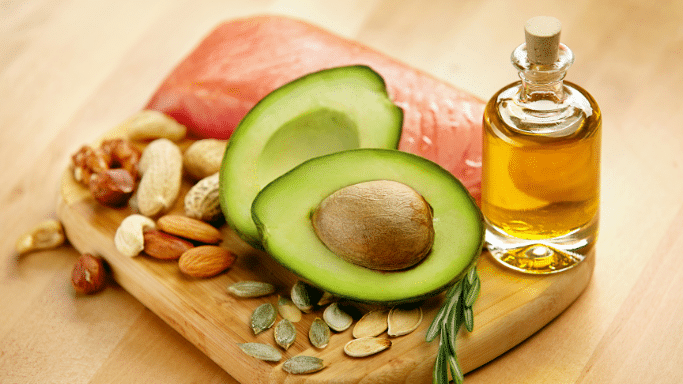
Keep dietary fat between 20 and 35 percent of your total caloric intake.
This protects your hormone production while leaving adequate room for the carbohydrates your training will demand of you.
Entering a hard cut in a sub-optimal state of hormonal health will only make things worse.
For this reason, I’ve been preaching therapeutic testosterone for over two decades.
Your doctor will never connect the dots between your aggressive diet, your crashed testosterone, and why you feel like garbage.
But I have, so consider yourself lucky you’re finding this information now rather than later down the road.
Carbohydrates: Performance Fuel, Not the Enemy
Carbohydrates became the villain of the past two decades, and that narrative has cost a lot of people an unbelievable amount of hard-earned muscle.
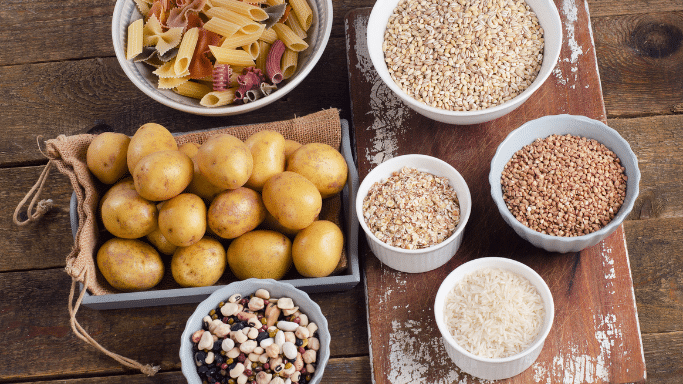
Muscle glycogen, the stored form of glucose in muscle tissue, is the primary fuel source for high-intensity resistance training
Without it, training volume drops, training performance drops, and your ability to preserve muscle via mechanical tension drops with it.
The ISSN position stand on nutrient timing confirms carbohydrate availability is essential for maintaining training performance and supporting muscle glycogen replenishment, particularly for individuals training at high intensities.
There’s another risk few experts talk about:
Excessively low carbohydrate intake during intense training may elevate cortisol, the primary catabolic stress hormone, which accelerates muscle protein breakdown.
Excess calories are what makes you fat… NOT the carbs themselves.
This is precisely why my alternate-day fasting approach is so powerful.
On training days, you eat higher carbohydrates to fuel positive muscle failure training and replenish your glycogen stores.
On fasting days, you restrict calories to push your body into a fat-burning state.
You get the performance benefits of carbohydrates AND the fat loss benefits of restriction without being stuck in either extreme.
That is metabolic flexibility in action, and why people following 30 Days 2 Shredz achieve results that the fitness industry currently believes are impossible.
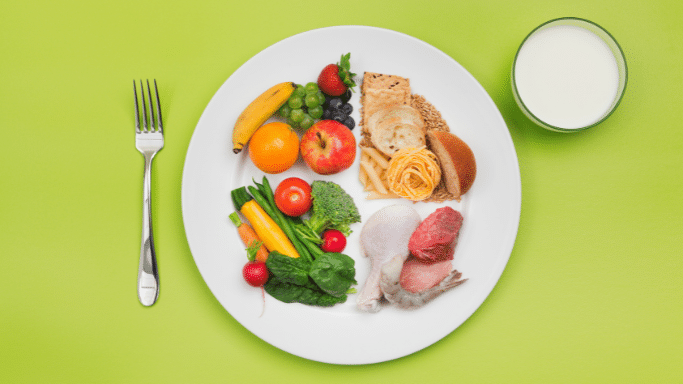
The Macro Ratio Framework That Actually Works
No single macro ratio works universally for every person.
We are all N-of-1 beings, which means your biochemistry, training demands, and goals will dictate YOUR optimal approach.
But a practical, evidence-aligned starting framework for most trained individuals in a cutting phase looks like this:
| Macro | Target Range |
| Protein | 1.6 to 2.4 g/kg bodyweight (or up to 3.1 g/kg FFM if very lean) [NOTE: 1 g/LBM is best, in my opinion] |
| Fat | 20 to 35% of total calories |
| Carbohydrates | Remainder of calories after protein and fat are subtracted from total calorie intake |
Set your deficit first, protein intake second, fat intake third, and then fill the remaining calories with carbohydrates.
This approach allows for muscle preservation and peak training performance you can sustain for weeks or months.
However, these ratios should shift dynamically between training days and fasting days.
Carbohydrates on training days are significantly higher to support performance, with 75% of the day’s carbohydrates consumed before, during, and immediately after training.
Whereas carbohydrates on fasting days drop dramatically as you shift into fatty acid oxidation.
This day-to-day cycling is what prevents the metabolic adaptation that slows down most conventional approaches to fat loss.

The Compound Advantage: Why Macros Alone Aren’t Enough
Even with the perfect ratio of macronutrients, your body will eventually fight back during a sustained cut:
- Leptin drops
- Ghrelin surges
- Testosterone declines
- Your metabolism downregulates through adaptive thermogenesis
This is where peptides and targeted compounds change the game for good.
They address the common pitfalls of fat loss that make the process progressively more difficult to sustain.
On top of protecting lean tissue, they can accelerate fat mobilization and counteract the increased hunger you will eventually feel as you get leaner.
And they do so through mechanisms that diet alone cannot replicate.
But let’s be clear with one another: These are NOT shortcuts.
These are precision tools that work IF AND ONLY IF they are layered onto the macronutrient foundation outlined above (alongside training and sleep)
Otherwise, they’re a waste of your money.
You find the complete protocols for these substances in my peptide fat loss guide and my article on the best peptide stacks.

Cutting Macro Myths vs. Reality: What the Research Says
Let’s kill a few narratives that keep circulating in the health & fitness industry.
Myth: Low-carb diets burn more fat.
Reality: Fat oxidation increases on low-carb diets via upregulation of CPT1 and increased mitochondrial fatty acid transport.
But when calories are matched, total fat loss is essentially identical.
The ISSN confirms no controlled isocaloric comparison where matching protein intakes lead to a clinically meaningful fat loss advantage compared to the lower-carbohydrate or ketogenic approach.
Myth: Insulin causes fat gain.
Reality: Insulin reduction on low-carb diets does increase lipolysis by reducing inhibition of hormone-sensitive lipase, but this mechanism does not override total energy balance.
Calories in, calories out (CICO) out still determines the final outcome.
Myth: Carb cycling dramatically accelerates fat loss.
Reality: Refeed days do transiently increase leptin levels, but the evidence suggests the long-term fat loss impact is minimal at best.
What DOES work is the alternate-day fasting approach in 30 Days 2 Shredz, where entire metabolic states (fed vs. fasted) cycle on a daily basis.
The only metabolic advantage worth focusing on is the thermic effect of a high-protein diet and the caloric deficit you sustain over time.

Training: The Signal Your Macros Serve
Your macros exist to fuel training intensity.
And the training methodology that sends the strongest muscle-preservation signal during a cut is Positive Muscular Failure (PMF):
- One exercise per major muscle group
- Two working sets per exercise
- Take each working set to momentary failure with maximum intensity and correct technique
Your macros exist to serve your performance while training to PMF.
If your carbs are so low that you can’t train with maximum intensity, your macronutrient ratios were set up the wrong way.
If you want the exact PMF training methodology I use, complete with the nutrition timing that surrounds it, Life Enhanced walks you through everything from start to finish.

Sleep: The Macro Multiplier Nobody Talks About
You can have perfect macros and still sabotage your fat loss progress if you ignore the importance of high-quality sleep.
This is a non-negotiable hard rule: 7-9 hours of uninterrupted rest every single night.
The last thing you want to do is wake up feeling energetically depleted, with your hunger levels spiking out of control.
Read this article on sleepmaxxing if you require a refresher on sleep hygeine basics.

Cutting Macro Risks and Contraindications You Must Know
Do NOT drop fat below 15% of calories if you care about testosterone production.
Do NOT chronically under-eat carbohydrates if you train at high intensity.
Ketogenic approaches can preserve muscle IF protein intake is adequate, but expect a degradation in performance during anaerobic training.
Very low fat AND very low carbohydrate approaches destroy long-term adherence, and a diet you quit is a diet that failed you.
There is LIMITED long-term research beyond one year on optimal macro ratios for athletic populations, so intellectual humility about perfect answers is warranted.
This article is for educational and informational purposes only.
It is not intended to provide medical advice, diagnosis, or treatment.
Always consult a qualified healthcare professional before beginning any new protocol.
Own Your Cut. Own Your Results.
The best macros for cutting are not a hidden sequence of numbers printed on a smartphone app.
They are as follows:
- The highest-protein intake you can sustain
- Enough fat to protect your hormones
- Sufficient carbohydrates to train with intensity
- A calorie deficit deep enough to force fat mobilization without destroying your physiology
You do not have to follow a diet guru, a generic meal plan, or a mainstream fitness magazine telling you to eat 40/30/30 (or go keto, or fear carbs after 6 PM).
This nuanced truth is what separates the men in my Fully Optimized Health community from the people still chasing the next diet fad on Instagram.
If you’re ready to stop guessing about macros and start executing a complete system that integrates nutrition, PMF training, alternate-day fasting, peptide protocols, and the consciousness work that makes it all sustainable…
… 30 Days 2 Shredz is where you go.
Take ownership of your physique and get shredded the right way.
Isn’t It Time You Became Fully Optimized To Live Leaner, Longer And Stronger?
Join my #1 online membership group, Fully Optimized Health to receive guidance from me and an elite group of more than 800 male and female biohackers (who all started out just like you)
And don’t forget to check out our other premium educational content dedicated to helping you fully optimize your health:
Quantum Peptides – the A-to-Z system for anyone (newbies & pros alike) desiring to master peptide use for the first time and forever.
Quantum Testosterone – the A-to-Z system for Men & Women to learn to optimize their hormones for explosive energy, lean muscle, and timeless vitality.
The Ultimate GLP-1 Video Masterclass – how to PROPERLY utilize the world’s most powerful weight loss drugs for enhanced fat loss and overall longevity.
The Modern Woman’s Peptide Course – a must-have resource for any woman seeking to become more feminine, sexier, leaner, and healthier through the use of peptides.
Life Enhanced – Unlock the secrets to TOTAL Mind-Body-Spirit Optimization as Hunter Williams and I teach you how to live at the tip of the spear.
30 Days 2 Shredz – Reprogram Your Mind and Body for Maximum Fat Loss in Minimum Time with our Optimized Fasting Protocol
Monica Campbell’s 3 Day PMF Video Training Program – Ignite unbreakable strength, sculpt lean muscle, and conquer workouts fearlessly with my wife Monica’s 3 Day Video training course.
Positive Muscle Failure Video Training Program – Learn how to lift weights correctly for maximum muscle in minimum time while building the physique of your dreams.
See you on the inside!