 Written by Jay Campbell





[Disclaimer: This article is for educational purposes only. Always consult with a qualified healthcare provider before starting any peptide protocol.]
A lot of people using BPC-157 are basing their dosage protocol on bro-science recycled across forums and influencer channels with zero clinical grounding.
However, that observation is not a criticism of BPC-157 itself.
I’ve personally used it for torn rotator cuffs, tendon injuries, gut inflammation, and more — and I’ve watched it work near-miracles where conventional medicine offered nothing but NSAIDs and “wait it out.”
BPC-157 is genuinely one of the most compelling peptides for recovery and tissue repair available today, and I AM reaching my second decade of using it.
But if you’re going to use a compound this powerful, you owe it to yourself to understand two things.
You must know what the evidence actually has to say about proper BPC-157 dosing practices.
You have to be fully aware of the evidence gaps that exist.
Then, and only then, will you be able to make an informed and intelligent decision about how and when to use BPC-157
Quick Takeaways
- No official human clinical dosing guidelines exist for dosing BPC-157… every number you see comes from animal data, community experience, and/or clinician observation over decades
- 200–500 mcg per day is the most commonly used range for subcutaneous injection, with twice-daily dosing favored for acute injuries
- Earlier administration after injury consistently produces stronger outcomes in animal models, so start using it as soon as possible
- Long-term human safety data is still absent, but anecdotal evidence looks more promising with each passing day
What Is BPC-157?
BPC-157 is a synthetic pentadecapeptide (i.e. a peptide spanning 15 amino acids in length) derived from a partial fragment of human gastric juice protein known as Body Protection Compound (BPC).
Your body already produces a version of this protein natively, which is one of the major reasons why its safety profile in animal models looks relatively clean.
It is not approved by the FDA or EMA for any clinical indication, and its legal status within most countries places it in the research-use category.
And if you compete in any sanctioned sport, this peptide is listed by WADA as a prohibited substance.
For the full mechanistic background on how BPC-157 works, read my comprehensive BPC-157 guide first.
Why No Official BPC-157 Dosage Guidelines Exist
There are no large, well-controlled, randomized clinical trials in humans establishing efficacy or optimal dosing of BPC-157 for any specific condition.
Every dosing range you see cited online originates from anecdotal community use, clinician observation, and animal data extrapolation.
Animal research typically uses weight-based scaling around 10 µg/kg, but direct translation of that number to human dosing has never been validated in clinical research.
Scaling 10 µg/kg to a 200 lb (90 kg) human gives you approximately 900 mcg… a number much higher than what most experienced practitioners use.
The commonly cited 200–500 mcg per day is more conservative and aligns with what decades of community observation and clinician experience has converged toward as a reasonable starting point.
What does this mean for you?
Until we have human trials validating the true therapeutic dose of BPC-157, you’ll have to approach your dosing protocol with the willingness to record your responses and self-direct your own adjustments.
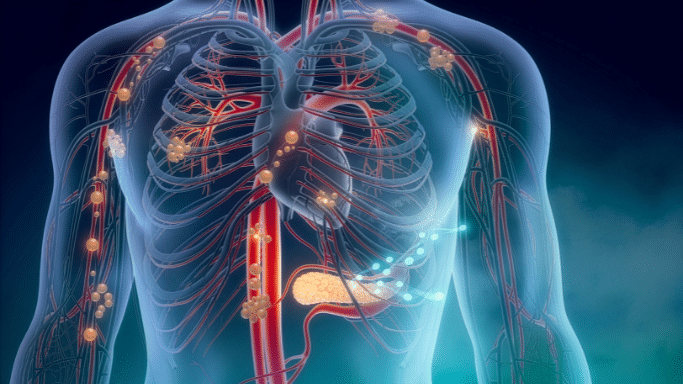
How BPC-157 Works
By understanding why BPC-157 works the way it does, you’ll find yourself one step closer toward intelligent use and one step away from blind experimentation.
Angiogenesis and Vascular Repair
BPC-157 upregulates VEGFR2 signaling and activates the nitric oxide (NO) system (including eNOS phosphorylation and NO release), which drives vasodilation and new blood vessel formation in injured tissue.
Tissue Healing
Animal models consistently show BPC-157 accelerating the healing of tendons, ligaments, muscles, and wounds through fibroblast migration, organized collagen deposition, and enhanced angiogenesis.
This is what makes the Wolverine Stack so effective — by using BPC-157 and TB-500 together, you encompass the full healing cascade from two different yet complementary angles.
Anti-Inflammatory Action
BPC-157 downregulates pro-inflammatory cytokines such as TNF-α and IL-6, along with NF-κB pathway activity, and this lowers the chronic inflammatory burden responsible for stalling recovery.
Neuroprotection
Rodent models show BPC-157 exerting neuroprotective effects via anti-apoptotic and anti-inflammatory signaling in the central nervous system (CNS).
Gut-Brain Axis
BPC-157 protects against gastric ulcers and counteracts NSAID-induced gastrointestinal damage, which is why oral administration makes particular sense for gut-specific applications.
In summation: All of these mechanisms hit several of the most important levers in tissue regeneration simultaneously.

What Animal Research Shows About BPC-157 Dosing
Animal studies give us the best mechanistic roadmap currently available.
Research models typically use 10 µg/kg, administered either subcutaneously or orally, with both routes showing systemic bioactivity… which is unusual for a peptide and reflects BPC-157’s remarkable gastric stability.
Timing matters significantly in animal models, as early administration following injury consistently produces stronger healing outcomes than delayed dosing.
If you are using BPC-157 for acute injury recovery, starting its use as close to the injury event as logistically possible is the smartest play based on everything the animal literature shows.
Don’t wait for the swelling to go down before you start a course of BPC-157!

BPC-157 Dosage Protocol by Use Case
As someone who’s been using and recommending BPC-157 for decades, here is the practical framework I share in Living A Fully Optimized Life and the rest of my books and courses:
| Use Case | Dose | Route | Frequency | Duration |
| Acute injury | 250–500 mcg | Subcutaneous | Twice daily (AM + PM) | 2–4 weeks |
| Chronic conditions | 200–300 mcg | Subcutaneous | Once daily | 4–12 weeks |
| Wolverine Stack (BPC-157 + TB-500) | 500 mcg blend | Subcutaneous | Daily or every other day | 8 weeks on, 4 weeks off |
| Gut healing | 500–1,000 mcg | Oral (arginate salt) | Once daily, empty stomach | 4–12 weeks |
Acute Injuries (Muscle Tears, Tendon Damage, Ligament Strains)
- 250–500 mcg subcutaneously, twice daily (once in the morning and once in the evening)
- Dosing near the site of injury may provide additional local benefit, though the compound distributes systemically regardless of injection location.
- Continue for 2–4 weeks or until substantial improvement is achieved.
Chronic Conditions (Gut Issues, Systemic Inflammation, Ongoing Joint Pain)
- 200–300 mcg once daily is often sufficient.
- Continue for 4–12 weeks depending on severity and response.
Wolverine Stack (BPC-157 + TB-500)
- 500 mcg of the combined blend, subcutaneously, every day or every other day for 8 weeks, then 4 weeks off.
- For more information about this combination of peptides, refer to my Wolverine Stack protocol.
Gut Healing (Oral Administration)
- Oral BPC-157 in the arginate salt form at 500–1,000 mcg daily, taken on an empty stomach.
- The arginate salt form dramatically improves oral bioavailability compared to the acetate form (this detail matters, and most vendors get it wrong)
Cycling
- Run 8–12 weeks on, then 4–8 weeks off.
- Do NOT run BPC-157 indefinitely without breaks.
Key Dosing Principles
- Twice-daily dosing may accelerate acute healing by approximately 15–25% versus once-daily — but it doubles your peptide consumption. Weigh that against your specific situation and severity.
- Do not use BPC-157 every 4–6 hours, as some misguided sources suggest. That is a fundamental misunderstanding of how this peptide’s biological effects persist well beyond its 30-minute half-life — not to mention it’s a waste of the limited BPC-157 supply you have.

BPC-157 Dosage Mistakes to Avoid
- Waiting too long after injury – The animal literature clearly shows the earlier you can use BPC-157, the better (i.e. don’t use it two weeks after you’ve already developed scar tissue and chronic inflammation).
- Using nasal spray format – Bioavailability through nasal spray is genuinely poor for BPC-157, with subcutaneous injection and properly formulated oral administration being the only validated approaches.
- Ignoring source quality. Contaminated, improperly dosed, or improperly reconstituted peptides from gray-market suppliers are a real threat.
- Source BPC-157 from BioLongevity Labs (code JayC for 15% off), where third-party testing and USA manufacturing are non-negotiable standards.
- Source BPC-157 from BioLongevity Labs (code JayC for 15% off), where third-party testing and USA manufacturing are non-negotiable standards.
- Expecting oral to work the same as injectable for musculoskeletal injuries. Oral BPC-157 excels for gut healing, but injections are the superior route for tendon, ligament, and muscle repair.

BPC-157 Safety and Side Effects
BPC-157 demonstrates low acute toxicity in animal studies, with no lethal dose identified at commonly studied ranges.
But I will not let that fact paper over what we don’t yet know, so here is what you MUST keep in mind:
- Human safety data is limited – Long-term safety, carcinogenic potential, and endocrine effects of BPC-157 in humans are not fully characterized.
- Angiogenesis risk – Because BPC-157 promotes blood vessel formation, there is a theoretical concern it could support tumor vascularization in individuals with existing or undetected malignancies.
- This has NOT been conclusively demonstrated, but anyone with a cancer history must discuss it with their physician before proceeding.
- Research base – Most published research comes from Dr. Predrag Sikiric’s group at the University of Zagreb.
- The breadth and consistency of his team’s work over 30+ years is a strength, and independent replication continues to grow.
Take Ownership of Your Optimization
The absence of FDA approval does not make BPC-157 dangerous, and it d efinitely does not mean you should dismiss this peptide.
What it DOES mean is you are 100% responsible for educating yourself, sourcing BPC-157 properly, and working with a physician who actually understands peptide science.
If you want to go deeper on BPC-157, delivery method comparisons, and how to build a complete healing protocol, start with the full Peptides Hub.
For hands-on protocol guidance, including reconstitution and injection technique, Peptides Demystified covers everything you need to use this compound correctly from Day 1.
Nobody will optimize you except for yourself.
Don’t rely on the system to hold your hand and walk you through the necessary steps.
Isn’t It Time You Became Fully Optimized To Live Leaner, Longer And Stronger?
Join my #1 online membership group, Fully Optimized Health to receive guidance from me and an elite group of more than 700 male and female biohackers (who all started out just like you)
And don’t forget to check out our other premium educational content dedicated to helping you fully optimize your health:
Quantum Peptides – the A-to-Z system for anyone (newbies & pros alike) desiring to master peptide use for the first time and forever.
Quantum Testosterone – the A-to-Z system for Men & Women to learn to optimize their hormones for explosive energy, lean muscle, and timeless vitality.
The Ultimate GLP-1 Video Masterclass – how to PROPERLY utilize the world’s most powerful weight loss drugs for enhanced fat loss and overall longevity.
The Modern Woman’s Peptide Course – a must-have resource for any woman seeking to become more feminine, sexier, leaner, and healthier through the use of peptides.
Life Enhanced – Unlock the secrets to TOTAL Mind-Body-Spirit Optimization as Hunter Williams and I teach you how to live at the tip of the spear.
30 Days 2 Shredz – Reprogram Your Mind and Body for Maximum Fat Loss in Minimum Time with our Optimized Fasting Protocol
Monica Campbell’s 3 Day PMF Video Training Program – Ignite unbreakable strength, sculpt lean muscle, and conquer workouts fearlessly with my wife Monica’s 3 Day Video training course.
Positive Muscle Failure Video Training Program – Learn how to lift weights correctly for maximum muscle in minimum time while building the physique of your dreams.
See you on the inside!