
 Written by Jay Campbell



There is a global “weight loss drug” arms race happening right now.
And although Novo Nordisk and Eli Lilly are indisputably the top players, their monopoly may not hold for long.
The current clinical pipeline for GLP-1 drugs alone currently shows 34 companies developing 39 new products mimicking this hormone’s effects, with many of these companies based in China.
The world is hungry for the one therapeutic that will solve all obesity-related matters forever.
But not everyone is laser-focused on GLP-1.
In fact, many people believe the gold at the end of the rainbow lies elsewhere.
That’s exactly what I intend to explore today with Amlexanox, a mouth sore drug now resurging in medical research as a viable treatment for people with obesity and diabetes.
Because in my world, it could be one of the greatest fat loss drugs to have (never) been discovered!
Where To Buy Amlexanox

Usually, this would be the final section of the article.
If you saw my recently published piece on Orforglipron, you know how things are done here.
I provide an overview of the compound in question, talk about how it works, list off all its health benefits, discuss proper dosing strategies, warn you of potential side effects, and then conclude by providing you a source to purchase said compound.
This time, I AM going to do things differently and you’ll see why.
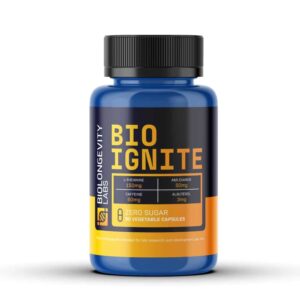
Amlexanox can be purchased as part of a newly-released stubborn fat loss formulation called BioIgnite that is ONLY available at BioLongevity Labs.
The same research chemical vendor you’ve come to know and love for its stringent 3rd-party testing, top-notch customer service, and the highest-quality products trusted by professionals for both personal and clinical use.
Click here to get BioIgnite from BioLongevity Labs!
Use code JayC to get 15% off your order
What Ingredients Are Found In BioIgnite?
BioIgnite contains four compounds within each capsule:
- Albuterol (3mg)
- Caffeine (50mg)
- L-Theanine (150mg)
- Amlexanox (50mg)
And each ingredient serves a critical purpose.
Let’s go through the first three, which are already well-established for biohackers seeking dramatic changes in their physique.
We’ll then dive far deeper into Amexlanox.
Why is Albuterol Included In BioIgnite?
Long-time readers and OG bodybuilders are very familiar with Albuterol for fat loss.
It is a short-acting selective β2-adrenergic receptor agonist that is typically used as a bronchodilator for treating asthma.
Since the β2 receptors are concentrated within your breathing tubes, using Albuterol relaxes the muscles surrounding these tubes and allows for more air to enter and exit the lungs.
This makes it a fast-acting treatment when asthmatic patients start to experience tightness in the chest and shortness of breathing.
But the β2 receptors also happen to be concentrated in stubborn body fat deposits with in the body that experience low blood flow (abs for men, glutes/hamstrings for women).
So when we use Albuterol for fat loss purposes, the following benefits manifest:
- Increase in energy expenditure
- Increase in fat oxidation
- Increase in free fatty acid levels within the bloodstream (allowing fat to be burned off as energy)
- Increase in body temperature
- Increase in blood flow
- Increase in maximal anaerobic power
Albuterol is best used fasted in a low-insulin environment to the tune of 3-6 mg taken prior to fasted cardiovascular exercise.
However, due to rapid β2 receptor downregulation over time, it has to be cycled on a “two week on, two week off” basis to avoid lessening the fat loss effects.
Why is Caffeine Included In BioIgnite?
Caffeine is effectively the world’s most accessible thermogenic agent.
Even the poorest among us have access to good old-fashioned coffee, and caffeine pills can be picked up over-the-counter for dirt cheap at any pharmacy.
But why include it in our formulation instead of simply advising you to take Albuterol with a sip of Joe?
There is some human evidence suggesting a synergistic effect on energy expenditure when caffeine and Albuterol are used together:
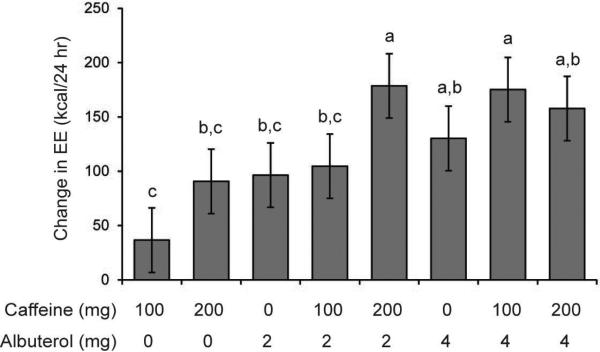
This was a randomized, double-blind, crossover study examining 7 healthy women and 1 man between the ages of 18 and 50.
As you can see from the graph above, we start to see how the dual-threat combination was far more effective than either agent alone.
- 2mg Albuterol in isolation led to a nearly 3-fold increase in energy expenditure compared to 100mg caffeine in isolation
- 4mg Albuterol + 100mg caffeine — OR 2mg Albuterol + 200mg caffeine — led to a 4.8-fold increase in energy expenditure compared to 100mg caffeine in isolation (and ~1.75-fold compared to 200mg caffeine in isolation)
But several experiments ran on mice within the same study found some additional observations worth mentioning, even though it’s unclear how well they would translate into humans:
- Increases in energy intake did NOT happen to compensate for the energy expenditure increases
- Significant positive changes in fat mass and lean body mass were observed without restrictions on energy intake
Why is L-Theanine Included In BioIgnite?
The amino acid L-Theanine in isolation wouldn’t be very useful as a fat loss agent.
However, in the world of nootropics, caffeine and L-theanine is the most popular combination you will see.
You can think of L-theanine as a way to counter-act the stimulatory effects of caffeine that often lead to jitters and anxiety for sensitive individuals:
“Current research suggests that combining caffeine with L-theanine may mitigate the sleep impairments often associated with caffeine supplementation alone.
Caffeine is known to improve alertness and cognitive performance, but its stimulating effects can also interfere with sleep quality and increase sleep latency.
However, L-theanine, an amino acid found in tea, has calming properties that can counterbalance caffeine’s stimulatory effects.”
And there is indeed some sparse scientific evidence examining what happens when the two are used together, with L-Theanine typically being dosed much higher than caffeine:
- Increased speed and accuracy in mentally challenging tasks
- Lower likelihood of getting distracted
- Reduced feelings of fatigue
- Improved attention span
In the same review paper I just quoted, there are promising applications for this duo in the context of treating ADHD within males who suffer from mind wandering.
So in a way, you can think of L-Theanine as a form of “insurance” against caffeine for people who don’t typically react well to it.
Jay Campbell’s Early Thoughts on BioIgnite
Although I AM biased because I helped formulate BioIgnite, rest assured you will get nothing but the whole and complete truth from me.
I firmly believe BioIgnite will quickly be recognized as the greatest stubborn body fat incinerating formula ever designed.
Currently, I AM using 1-2 capsules in the morning prior to fasted cardio and an additional 1-2 capsules in the late afternoon.
When I AM riding my stationary bike, I notice a significant increase in core body temperature but only a slight elevation in heart rate.
Its effects happen immediately and last throughout the entire day, so much so it might interfere with sleep if you’re not careful and dose too close to bed time.
And while I don’t have a microscope on me, I’m fairly certain it is inducing a massive increase in thermogenesis.
So far, none of the mitochondrial-optimizing compounds or practices I advise can hold a candle to it for stubborn fat loss.
My advice would be to start low with just 1 capsule and go up slowly.
If you only use it once a day, make it first in the morning right before your fasted cardio.
And due to the inclusion of Albuterol, you will likely have to cycle on and off it periodically to avoid receptor desensitization.
The lower your dosage, the less likely you have to cycle off or for a long time stay off.
Now let’s move forward to Amlexanox, the REAL reason why you’re reading this article in the first place!
A Brief Overview Of Amlexanox’s Fat Loss Properties

(Source)
Amlexanox, at first glance, doesn’t have a very interesting backstory.
It was originally developed in the 1980s as an anti-allergic and anti-inflammatory medication, eventually gaining FDA approval for treating canker sores (aphthous ulcers) as a topical paste under the brand name Aphthasol.
That is, until it was eventually discontinued in 2017 despite its excellent safety profile.
Oddly enough, in Japan and other countries, Amlexanox remains approved for the treatment of other conditions such as allergic rhinitis and asthma.
The story would typically end there for the compound as one of millions of obscure drugs that fade into nothingness.
Repurposing An Old Drug As An Anti-Obesity Treatment
All of this changed in year 2013, when a pivotal study was published from the University of Michigan.
As I have continued to say time and time again, chronic inflammation remains as the root cause of aging-related diseases.
In the context of the connection between insulin resistance and obesity, it appears to the a key explanatory link between the two outcomes.
Specifically through something called NF-κB, a group of protein complexes responsible for the expression of genes related to cellular growth, immunity and inflammation.
NF-κB appears to also be involved in insulin resistance and increases the expression of two genes known as Inhibitor of nuclear factor kappa-B kinase subunit epsilon (IKKε) and TANK-binding kinase 1 (TBK1).
Both genes have been shown to exert higher expressions within fat and liver tissue in mice who are fed a high-fat diet, and are — surprise surprise — elevated in both obesity and insulin resistance.
Interestingly, when mice with a deleted IKKε gene were fed a high-fat diet, they tended to be more resistant to the development of insulin resistance and fatty liver disease.
So the scientists hypothesized a selective TBK1/IKKε inhibitor could restore insulin sensitivity, lower inflammation, and even induce weight loss without affecting food intake.
But there’s a second reason why this pursuit would be worthwhile, and it has to do with energy expenditure:
“[IKKε and TBK1] reduce the ability of certain receptors in the fat cells of obese mice to respond to catecholamines like adrenaline, “fat-burning” hormones generated by the sympathetic nervous system in response to stress.
…High levels of IKKε and TBK1 also resulted in lower levels of a second messenger molecule called cAMP, which increases energy expenditure by elevating fat burning.
…in states of obesity, adipose tissue becomes less sensitive to catecholamines because IKKε and TBK1 act as a sort of brake on metabolism, and that this reduced sensitivity in turn reduces energy expenditure”
(Readers of 30 Days 2 Shredz, who rely on this biochemical cascade during extended windows of fasting, should be FROTHING at the mouth right now!)
So what did the scientists do next?
After screening a whopping 150,000 potential drug candidates, Amlexanox was identified as a highly potent TBK/IKKε inhibitor without impacting other IKK gene subtypes.
When mice fed a high-fat diet were treated with a lower or higher dose Amlexanox, the weight gain typically produced by the high-fat diet was prevented with no effect on food intake (i.e. they maintained their body weight).
A second experiment involved administering Amlexanox to leptin-deficient mice that were obese from the start, and this time the body weight of mice in the drug-treated group returned to normalcy (staying that way as long as Amlexanox continued to be used).
In effect, obesity that was diet-induced or genetics-induced was both prevented and reversed, without additional exercise or energy intake restriction.
Alan R. Saltiel, the senior study investigator, explains the results in further detail:
“The answer is that Amlexanox restores the ability of mice to adapt to increased caloric intake by subsequently increasing energy expenditure through thermogenesis”
So what we have here is the following:
- Fat cell sensitivity to catecholamines is restored, which allows them to get triggered into burning excess energy while possibly storing less energy
- The metabolic response to excessive calorie storage is altered, rather than appetite being suppressed
- Amlexanox, loosely speaking, “releases the brake” imposed on metabolism by TBK/IKKε
- Insulin resistance and glucose intolerance are significantly improved
This is a major finding given the body’s tendency to reduce its metabolic rate and “fight” to maintain its body weight in response to a lower calorie intake.
Uncovering Another Piece Of The Puzzle
In 2015, the Saltiel research group published another mouse study attempting to further elucidate Amlexanox’s observed mechanism of action.
If you recall what was unearthed in the previous study, higher TBK/IKKε expression lead to lower cAMP levels in subcutaneous fat tissue of obese mice.
It turns out this consequently leads to inhibited catecholamine-induced release of the pro- and anti-inflammatory cytokine interleukin-6 (IL-6) from fat cells, and this results in higher glucose production.
Within this study, Amlexanox’s restoration of cAMP production was found to consequently increase IL-6 release from fat cells, from which IL-6 traveled through the bloodstream of diabetic mice into the liver.
IL-6 then lowered the production of glucose and consequently lowered blood sugar.
This would potentially make Amlexanox a viable therapeutic candidate for the resolution of insulin resistance in obese patients and the possible treatment of Type 2 Diabetes.
Does Amlexanox Prove To Be Effective In Human Populations?
2017 was a big year for the Saltiel group, as they published the very first paper examining the use of Amlexanox in obese Type 2 diabetics.
And it consisted of two trials.
Trial #1 was an open-label study to determine if Amlexanox could be safely used at doses previously used for asthma.
Six diabetics were enrolled, all obese with NAFLD and Type 2 Diabetes.
Amlexanox was administered at 25mg three times a day for the first two weeks, followed by 50mg three times daily for 10 weeks and then four weeks of follow-up post-treatment.
While there were mixed responses in HbA1C and fasting insulin/glucose readings, all patients except for one demonstrated an improvement in insulin resistance, and a tiny yet statistically significant loss in body weight was noted.
Fortunately, researchers took biopsies of the patients’ fat cells (both before and after the study) and ran a molecular analysis on them to examine the wide range in drug responsiveness.
What they found was peculiar:
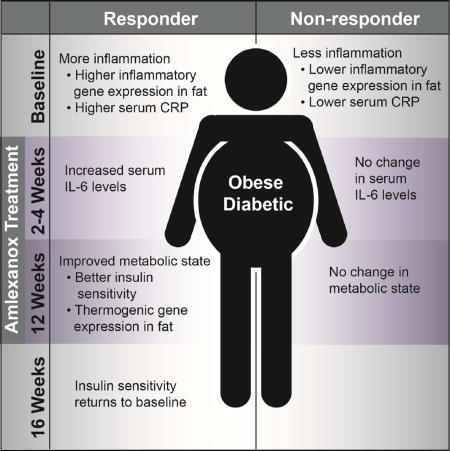
It turns out the individuals who had the best responses to Amlexanox were those who started the study with higher levels of inflammation within their fat tissue!
Trial #2 had 42 obese participants with NALF (nonalcoholic fatty liver disease) and Type 2 Diabetes were enrolled in a proof-of-concept, randomized, double-blind and placebo-controlled study.
The Amlexanox-treated group was given 50mg of Amlexanox three times daily for the duration of the study.
Here were the most important takeaways:
- Drug-treated patients experienced a statistically significant meanHbA1C reduction of nearly 0.5% more relative to placebo
- There was a noticeable reduction in fructosamine levels
- Other observable trends in the Amlexanox group include improved insulin sensitivity and reduced fasting blood glucose readings
However, there were also some cautionary findings:
- Amlexanox’s effects are reversible, as fasting glucose levels and insulin resistance rose upon drug discontinuation
- There were mild incidents of a rash, but were to be expected as Amlexanox tablets in Japan come with a 5% incidence of rash
- Responders within the Amlexanox group had almost 2x the reduction in fructosamine compared to non-responders, along with a reduction in hepatic (liver) fat and an increase in serum IL-6 levels
- No statistical difference in weight loss was observed between placebo-treated and drug-treated groups
So within a subset of Type 2 diabetic patients, the effects of Amlexanox observed in mice were similarly observed in humans along with the changes in gene expression within fat tissue upon Amlexanox administration.
Amlexanox + Sugar Diet (a.k.a. Fruit Fasting) = Accelerated Fat Loss?
Lastly, I want to turn our attention to a 2021 paper that truly put Amlexanox on my radar.
Without jumping off on too large of a tangent, I’ve been experimenting with a revolutionary approach to nutrition known as the “Sugar Diet or better known as “Fruit Fasting”.”
I’ve covered its finer details extensively with its creator Joe Binley and advocate Mark Bell in our FOH LIVE broadcasts, which you can watch here.
To save us time, I’ll simply copy-and-paste relevant excerpts from a slide deck created by my business partner Hunter Williams.
In effect, the Sugar Diet revolves around the production of FGF21 (Fibroblast Growth Factor 21) is a hormone produced mainly in the liver in response to specific metabolic and nutritional cues.
Unlike insulin or leptin, FGF21 acts as a metabolic “switch” – it regulates how your body burns fat, uses glucose, and preserves muscle mass .
Key functions of FGF21 are as follows:
- Enhanced glucose uptake in muscle – allows high-carb diets without fat gain
- Increased resting metabolic rate – burns more calories at rest
- Prevention of unnecessary fat storage – promotes burning carbs for energy, not storing them as fat
- Support of mitochondrial function – improves cellular energy production
- Activation of brown fat (thermogenesis) – increases fat-burning potential
And in order to create the conditions under which FGF21 production is maximized for as long as possible, four key elements must be present:
- Very High Carbohydrate Intake
- 70-90% of calories from carbs, focusing on glucose- and fructose-rich foods (fruit, honey, rice, potatoes, cereal, juice, rice syrup).
- Eating carbs, especially from fruit and honey, increases FGF21, which raises metabolic rate and fat oxidation.
- Low and Selective Protein Intake
- Moderate protein (503100g/day), favoring collagen, leucine, egg whites, and seafood.
- High isoleucine proteins (whey, chicken) suppress FGF21. Collagen and leucine support muscle without shutting down FGF21.
- Ultra-Low Fat Intake
- Only 10-15% of calories from fat, preferably from MCT oil or stearic acid (cacao butter, lean beef). Avoiding polyunsaturated and vegetable oils, which blunt FGF21.
- High dietary fat suppresses FGF21. By keeping fat ultra-low (and favoring only MCTs/Stearic acid), you keep FGF21 “on” and maximize fat burning.
- Strategic Meal Timing and Exercise
- Pre- and post-workout carbs and protein to maximize muscle retention and FGF21.
- Resistance training, HIIT, and even zone 2 cardio all upregulate FGF21, compounding the effects of diet.
So where does Amlexanox fit into the picture?
As it turns out, the 2021 paper I just mentioned revealed that FGF21 is a critical part of the metabolic health benefits induced by the drug’s inhibition of the IKKε/TBK1 genes.
Several experiments on mice were conducted that I won’t have room to examine in full detail, but the most important takeaways can be found below:
- Although Amlexanox initially suppressed food intake, fasting blood glucose was lowered by the inhibition of hepatic glucose production via a signaling axis between liver cells and fat cells
- Weight loss continued once food intake was normalized, suggesting increased energy expenditure induced by Amlexanox was the culprit
- The energy expenditure resulting from Amlexanox requires two essential components: Induction of Uncoupling Protein 1 (UCP1) and increased expression of FGF21.
- When mice lacking either gene were treated with Amlexanox, the energy expenditure effect was absent
- Notably, the 2017 clinical study quoted earlier recorded significant expression of FGF21 in the subcutaneous fat tissue of patients
- FGF21 expression was dramatically increased in liver and fat depots in response to Amlexanox treatment, and circulating levels of FGF21 were also increased in response
- More precisely, energy expenditure resulting from Amlexanox (via “white adipose tissue (WAT) beiging”*) necessarily requires adipocyte (fat cell) secreted FGF21
- * Also known as the “browning of white fat”, it involves the creation of “beige” fat cells that heavily express UCP1 and have high mitochondrial density (both links will explain how this further contributes to thermogenesis)
- Furthermore, IL-6 derived from fat cells plays an endocrine role in decreasing gluconeogenesis (i.e. the process of synthesizing glucose from non-carbohydrate sources)
In short: If you follow the Sugar Diet or some variation of it, you know how important FGF21 secretion is.
And why a pharmaceutical means of elevating it could be the key to speeding up fat loss.
CONCLUSION: The Re-Discovery Of Amlexanox
It’s not every day you see a forgotten drug re-discovered for a modern purpose.
With the raging obesity crisis rapidly killing off the world population, researchers are desperately on the search for any agent that could help the human population become leaner.
Even if has absolutely nothing to do with losing excess fat tissue (at first).
Amlexanox was a one-in-a-million discovery, and I AM beyond privileged to be able to include it in BioLongevity Labs’ newest product BioIgnite.
Once more:
Click here to get BioIgnite from BioLongevity Labs!
Use code JayC to get 15% off your order
I also invite you to join me and other like-minded biohackers in The Fully Optimized Health Private Membership Group.
This is where we dive deep into using peptides to optimize health, especially for those in their 30s and beyond. We’re also talking about cutting-edge biohacking and the latest and greatest in elite health optimization strategies.
And don’t forget to check out our other premium educational content dedicated to helping you fully optimize your health:
Peptides Demystified – the step-by-step, A-to-Z system for newbies desiring to master peptide use for the first time and forever.
The Ultimate GLP-1 Video Masterclass – how to PROPERLY utilize the world’s most powerful weight loss drugs for enhanced fat loss and overall longevity.
The Modern Woman’s Peptide Course – a must-have resource for any woman seeking to become more feminine, sexier, leaner, and healthier through the use of peptides.
Life Enhanced – Unlock the secrets to TOTAL Mind-Body-Spirit Optimization as Hunter Williams and I teach you how to live at the tip of the spear.
30 Days 2 Shredz – Reprogram Your Mind and Body for Maximum Fat Loss in Minimum Time with our Optimized Fasting Protocol
See you on the inside!