
 Written by Jay Campbell




[Disclaimer: This article is for educational purposes only. Always consult with a qualified healthcare provider before starting any peptide protocol.]
I’m going to tell you something that shouldn’t surprise anyone, but is worth worth repeating.
Most of the “10 foods that lower testosterone” articles circulating the internet are complete quackery.
They’re built around cherry-picked data, marketing fluff, and fearmongering designed to get clicks or sell you things you don’t need.
After three decades in this space and working directly with the world’s leading hormone optimization clinicians, I’ve seen every dietary myth recycled a thousand times.
In the context of hormonal health, individual foods matter less than your overall dietary pattern.
Everyday dietary choices can destroy your metabolic health, insulin sensitivity, and body composition when compounded over time.
Let me break down what ACTUALLY matters when it comes to foods that lower testosterone levels — based on human clinical evidence, rather than hype or internet hysteria.
Quick Takeaways
- Dietary patterns high in refined carbs, sugar, pastries, and restaurant foods are linked to lower testosterone levels — increasing your risk of hypogonadism by over 5-fold
- Low-fat diets significantly decrease both total and free testosterone production in men
- Pro-inflammatory food choices (refined carbs, excess sugar, ultra-processed industrial oils) are strongly associated with low testosterone levels
- Testosterone decline is driven by metabolic dysfunction, not isolated ingredients, even though eliminating certain food selections like soy and industrial inputs may still be prudent

The Real Culprit: Dietary Patterns, Not Individual Foods
Let’s start off with what’s already known in the research…
A comprehensive observational study published in Nutrients identified a specific dietary pattern that predicted hypogonadism with an odds ratio of 5.72.
This ratio means men following this pattern were nearly six times more likely to have clinically low testosterone levels.
What defines this pattern?
A high intake of bread, pastries, dairy products, desserts, and eatery foods combined with low intake of homemade foods and dark green vegetables.
This same pattern was associated with decreased skeletal muscle mass and increased visceral fat — both of which create a vicious cycle leading the reduction of testosterone levels over time.
The mechanism here isn’t mysterious.
These foods drive chronic inflammation, insulin resistance, and metabolic dysfunction.
All three things directly impair Leydig cell function in the testes, where testosterone is produced.
This mirrors what I’ve written about extensively in the past…
The way diet affects testosterone levels is largely a story of metabolic disease.
Visceral fat increases aromatase activity, insulin resistance blunts HPG axis signaling, and chronic inflammation suppresses Leydig cell output.
The metabolic state you’re in has more to do with how you eat consistently than individual foods themselves.

The #1 Dietary Mistake Tanking Your Testosterone
When it comes to foods that lower testosterone levels, here’s the #1 dietary patten I see coming up again and again:
Eating low-fat, day in and day out.
A meta-analysis of randomized controlled trials found that low-fat diets significantly decreased both total and free testosterone in men.
And what most people do is replace their dietary fat with carbohydrates, especially refined carbohydrates.
Your body NEEDS dietary fat to produce steroid hormones, including testosterone.
When you restrict its intake to near-zero levels, your endocrine system and overall hormone levels take a sharp dive down.
Most people demonize cholesterol, not realizing it is the backbone of steroidogenesis.
When you chronically restrict dietary fat, especially in already metabolically compromised men, you are removing raw materials from the hormonal assembly line.
Yet mainstream medicine spent decades telling men to eat low-fat diets for “heart health.”
While simultaneously wondering why testosterone levels in men have been declining across populations.
As always, the sick-care system continues to miss the forest for the trees.

The Pro-Inflammatory Diet: A Testosterone Death Sentence
Research using the Dietary Inflammatory Index confirms what we see clinically every single day:
Pro-inflammatory diets high in refined carbohydrates, excess sugar, and ultra-processed industrial oils are strongly linked to lower testosterone levels (particularly in obese men).
This is because chronic systemic inflammation disrupts the hypothalamic-pituitary-gonadal (HPG) axis, impairing testosterone signaling and affecting hormone levels across the board.
Inflammation also drives insulin resistance, which suppresses testosterone synthesis and leads to a decrease testosterone output significantly over time.
You cannot out-supplement a metabolically broken diet, and you certainly can’t do the same for a damaged hormonal system.
If you’re eating in a way that keeps your body inflamed and insulin resistant, no amount of supplementation or exercise will optimize your hormones.

The Foods That Lower Testosterone Levels: The Big Culprits
1. Refined Carbohydrates and Sugar
White bread, pastries, cookies, cakes, sugary drinks, and processed grains drive insulin spikes and visceral fat gain.
These are foods that may lower testosterone indirectly but not so subtly.
They do so through insulin resistance and metabolic dysfunction compounded over many years.
2. Restaurant and Ultra-Processed Foods
These are typically loaded with industrial seed oils, hidden sugars, and inflammatory additives.
Industrial seed oils (soybean, corn, cottonseed, canola) are a modern dietary intrusion abundant in processed foods.
Excess intake affects testosterone production by driving systemic inflammation and metabolic dysfunction.
Both of which, as I stated earlier, are the real drivers of testosterone decline.
3. Excessive Alcohol
Chronic and excessive alcohol consumption decreases testosterone production over time through direct Leydig cell toxicity and HPG axis disruption.
Quitting altogether should be top of mind.
If left unchecked, lower testosterone levels will be the least of your worries with respect to heavy alcohol use.
Other Hotly-Debated Foods That Lower Testosterone
People love arguing about the right food choices while visceral fat, insulin resistance, and chronic inflammation work quietly suppress testosterone.
Here’s the hierarchy for the certain foods where their impact on testosterone production is highly debated…
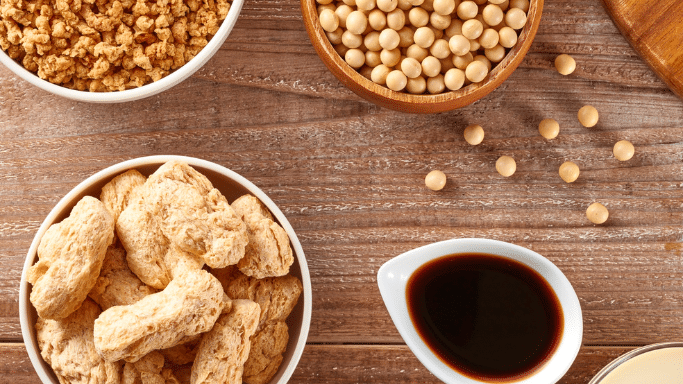
Soy: Cut it out, as it contains phytoestrogens and offers no upside for men.
Most soy products also come packaged with soybean oil and processed inputs that are metabolically destructive.
Eliminating it costs you nothing, and there are other ways to add flavor to your meals.
Nuts: Almonds and walnuts aren’t collapsing testosterone levels worldwide.
However, nuts are calorie dense and high in polyunsaturated fats.
And it’s extremely easy to over-eat them, making them a risky dietary choice for people who are overweight and inflamed.
Dairy: In healthy lean men, moderate whole-food dairy (cottage cheese, Greek yogurt) isn’t a primary driver of low testosterone.
In fact, the additional calcium intake will keep your bones strong and can aid your fat loss efforts.
But ultra-processed, sugar-loaded dairy can absolutely contributes to metabolic dysfunction.
While I won’t tell you to avoid dairy altogether, you should be mindful when selecting from this food group.
Licorice root: It has shown testosterone-lowering effects in some studies, and chronically high consumption can influence cortisol metabolism (which in turn can potentially affect testosterone levels).
But your occasional herbal tea is not what is collapsing testosterone across populations over the past few decades.
The real suppressors are visceral fat, insulin resistance, chronic inflammation, poor sleep, and stress.
When in doubt, fix the metabolic dysfunction first before focusing on anything else.

What to Eat Instead
Because testosterone suppression is largely an issue of metabolic dysfunction, the solution is straightforward:
Eat in a way that improves insulin sensitivity, reduces inflammation, and supports lean body mass.
Build your diet around foods that may increase testosterone levels over time and support healthy testosterone production:
- Whole, unprocessed animal proteins (beef, eggs, chicken thighs, wild-caught fish)
- Adequate dietary fat from whole-food sources (egg yolks, grass-fed meat, olive oil, butter, avocados)
- Dark green and cruciferous vegetables (broccoli, spinach, cabbage, cauliflower)
- Clean carbohydrate sources matched to activity level (tubers, whole grains, fruit in moderation)
- Fermented foods to support gut health
- Sufficient micronutrient intake (magnesium, zinc, vitamin D) — all shown to boost testosterone levels when they are not adequately supplied from one’s diet
Stay lean.
Fix your metabolic health and the testosterone will follow.
Avoiding foods that lower testosterone won’t replace testosterone replacement therapy (TRT) for men with a clinically diagnosed deficiency.
But it’s the non-negotiable baseline that determines whether any optimization protocol actually works.

The Big Picture: Lifestyle Trumps Individual Foods
Chronic over-eating, obesity, insulin resistance, sleep deprivation, and stress all suppress testosterone far more than any individual food item can.
If you’re obsessing over almonds while carrying visceral fat and sleeping five hours a night, you’re worrying about the wrong variables.
Fix your body composition.
Improve your insulin sensitivity by living insulin-controlled.
Lower the amount of visceral fat you’re carrying around.
Like I just said, testosterone almost always follows metabolic health.
The men who successfully increase their testosterone levels long-term are the ones who fix the metabolic foundation first.
For men over 40 dealing with body composition decline alongside falling testosterone, it’s also worth understanding how peptide therapy fits into a broader optimization strategy.
Diet is foundational, but it’s rarely the whole picture.
Chronically obsessing over the list of foods that lower testosterone is NOT the best and highest use of your time!

Take Control of Your Hormonal Health
Avoid pro-inflammatory dietary patterns dominated by refined carbohydrates, excess sugar, ultra-processed foods, and industrial seed oils.
Those are the foods that lower testosterone levels more than anything else.
Contrary to what some nutritionists will tell you, you do not have to avoid whole-food saturated fats.
Don’t fall into the low-fat trap that mainstream medicine still pushes.
Eat whole, unprocessed foods.
Prioritize adequate dietary fat and quality protein.
Cook all of your meals home.
Eliminate industrial food inputs.
Stop obsessing about lists of foods that lower testosterone, and start building a dietary foundation that will build metabolic resilience and support optimal hormone production for the long haul.
As always…
Raise Your Vibration To Optimize Your Love Creation!
Isn’t It Time You Became Fully Optimized To Live Longer And Stronger?
Join my #1 online membership group, Fully Optimized Health to receive guidance from me and an elite group of more than 700 male and female biohackers (who all started out just like you)
And don’t forget to check out our other premium educational content dedicated to helping you fully optimize your health:
Quantum Peptides – the A-to-Z system for anyone (newbies & pros alike) desiring to master peptide use for the first time and forever.
Quantum Testosterone – the A-to-Z system for Men & Women to learn to optimize their hormones for explosive energy, lean muscle, and timeless vitality.
The Ultimate GLP-1 Video Masterclass – how to PROPERLY utilize the world’s most powerful weight loss drugs for enhanced fat loss and overall longevity.
The Modern Woman’s Peptide Course – a must-have resource for any woman seeking to become more feminine, sexier, leaner, and healthier through the use of peptides.
Life Enhanced – Unlock the secrets to TOTAL Mind-Body-Spirit Optimization as Hunter Williams and I teach you how to live at the tip of the spear.
30 Days 2 Shredz – Reprogram Your Mind and Body for Maximum Fat Loss in Minimum Time with our Optimized Fasting Protocol
Monica Campbell’s 3 Day PMF Video Training Program – Ignite unbreakable strength, sculpt lean muscle, and conquer workouts fearlessly with my wife Monica’s 3 Day Video training course.
Positive Muscle Failure Video Training Program – Learn how to lift weights correctly for maximum muscle in minimum time while building the physique of your dreams.
See you on the inside!